


Mount Heng (South) in Hunan, with its highest peak Zhurong Peak at 1,300.2 meters, is the Southern Peak of China’s Five Sacred Mountains. Famous for its elegant scenery, ancient sacrificial culture, and coexistence of Buddhism and Taoism, it is a major religious and cultural center in southern China.
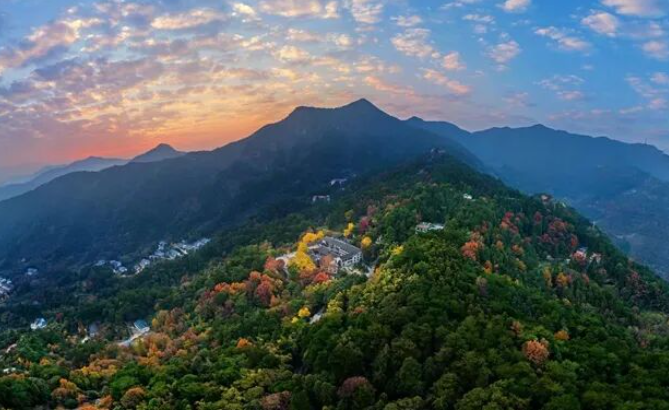
Its natural scenery changes with the seasons: flowers in spring, clouds in summer, sunrise in autumn, and snow in winter. Ancient trees, including centuries-old ginkgoes and pines, dot the slopes. Culturally profound, it has been a sacrificial site since Emperor Wu of Han. Buddhism and Taoism thrive side by side, with temples and monasteries scattered every few li. The Grand Temple of Mount Heng is the largest and most complete ancient architectural complex in southern China, uniquely housing Confucianism, Buddhism, and Taoism under one roof. Atop Zhurong Peak, the Zhurong Temple is a sacred site for worshipping the fire god.
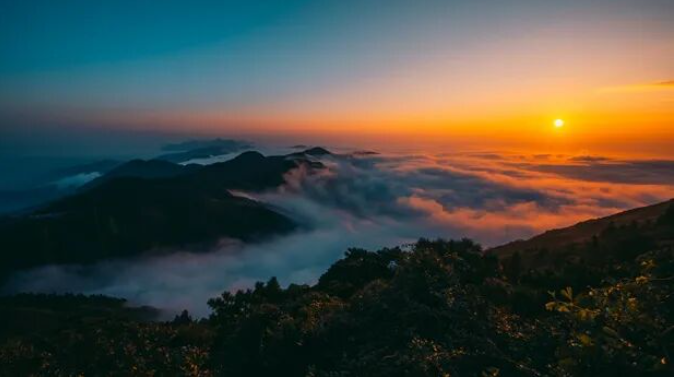
Visitors can hike or take buses. The classic hiking route starts from Shengli Arch, passing Huayan Lake, Zhonglie Temple, Xuandu Temple, and other sites to Zhurong Peak, taking about 5–7 hours. Alternatively, take a bus to Nantianmen and walk the rest. Pilgrims flock here, especially during the seventh and eighth lunar months and Spring Festival. The ancient town at the base offers vegetarian cuisine. The best time to visit is late summer to autumn (August–October) for cool weather, clouds, and stunning sunrises. Conveniently accessed via high-speed rail to Hengshan West Station, then by bus or taxi.