


The Hiking Trail of China's Five Great Mountains (Songshan Section) was newly added to the IMTA International Model Mountain Hiking Routes in 2024. Located in Dengfeng City, Zhengzhou City, Henan Province, it is the core hiking section of Central Songshan, one of China's Five Great Mountains. Highlighting "a sacred land of martial arts culture and spectacular Danxia landforms", it connects world-class attractions such as Shaolin Temple and Songshan Three Emperors Village, boasting dual values of natural exploration and cultural tracing, and standing as an iconic mountain hiking route in the Central Plains region. Situated at the transitional zone between the North China Plain and the Loess Plateau, Songshan has a complex geological structure, covering strata from five geological periods: Archean, Proterozoic, Paleozoic, Mesozoic, and Cenozoic. Known as a "natural geological museum", it allows hikers to directly witness the magical geological evolution over hundreds of millions of years.
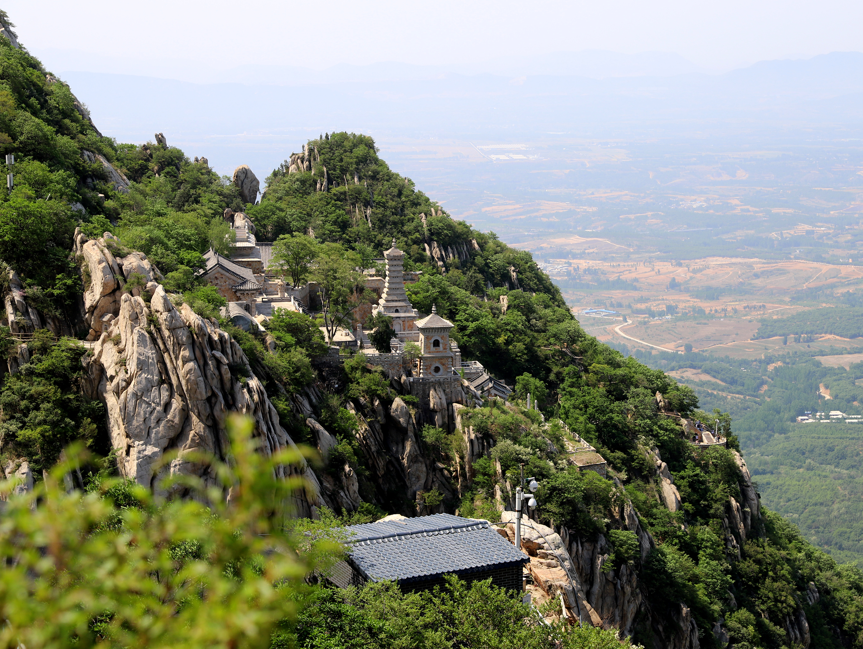
The core section is the cross-country trail from Shaolin Temple to Three Emperors Village and then to Junji Peak, stretching about 15 kilometers and taking 5–6 hours to complete with moderate difficulty. The altitude climbs from 350 meters to Junji Peak at 1,491.7 meters above sea level. The first section passes through Shaolin Temple Scenic Area, covering key attractions such as the Shaolin Temple Main Courtyard and the Forest of Pagodas. Hikers can watch exciting Shaolin martial arts performances and feel the heroic spirit of "all martial arts under heaven originate from Shaolin". The Forest of Pagodas houses more than 230 Buddhist pagodas arranged in an orderly manner, serving as precious relics for studying ancient Chinese brick and stone architecture and Buddhist culture. The middle section enters Three Emperors Village Scenic Area, where the core attraction is the Three Emperors Village Hanging Plank Road. Built along the Danxia cliff face, the 5-kilometer-long plank road offers a thrilling experience of walking in the air, with a bird's-eye view of deep canyons and peculiar peak forests. The red Danxia cliffs contrast beautifully with the green vegetation, and scenic spots such as the "Book Cliff" and "One-Line Sky" create a strong visual impact. The final section ascends along the Junji Peak Trail, passing cultural attractions such as Laomu Cave and Zhongyue Temple. Reaching the summit, hikers can enjoy a panoramic view of Dengfeng urban area and experience the magnificent artistic conception of "seeing all mountains in a single glance".
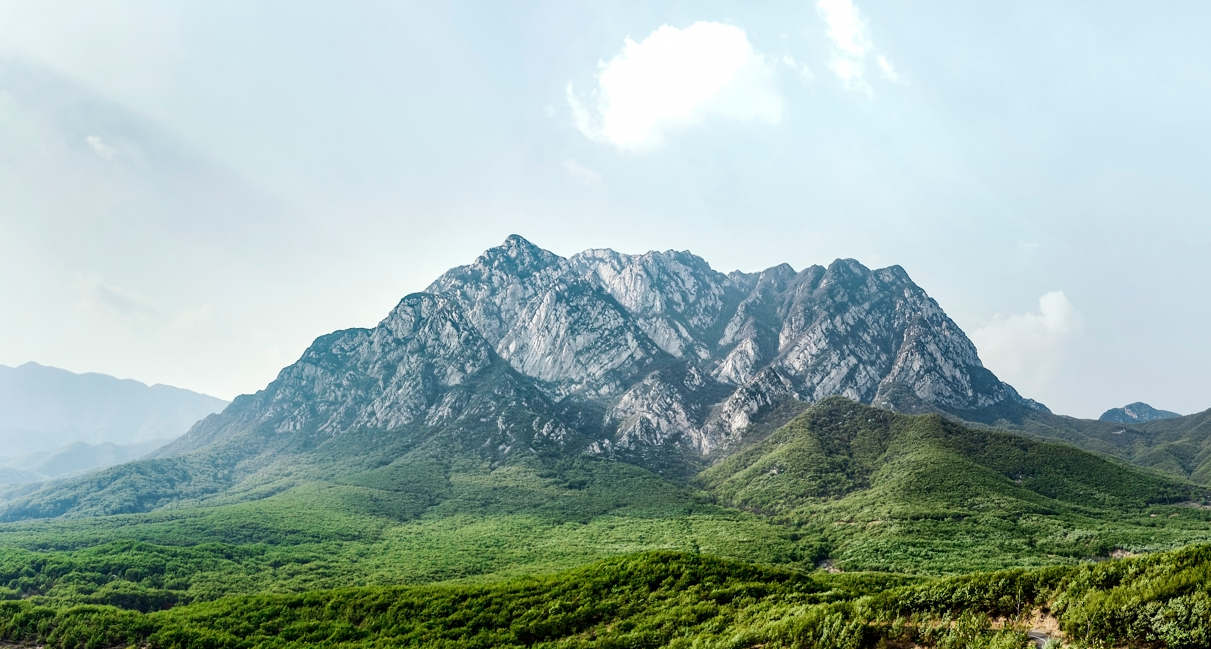
The cultural experience is rich and diverse. In addition to Shaolin martial arts culture, Songshan is also a sacred site of the Quanzhen School, the mainstream of Taoism. The Zhongyue Temple along the way is one of the largest and best-preserved Taoist temples in ancient Chinese architecture. With majestic buildings such as the Tianzhong Pavilion and Junji Hall, the temple houses historical inscriptions of great value such as the Stele of the Zhongyue Songgao Ling Temple, which are of significant historical and calligraphic worth. Hikers can participate in martial arts experience courses, learning basic martial arts moves from Shaolin monks to deeply experience the charm of Shaolin martial arts culture. They can also visit the Songshan Geology Museum to learn about the geological evolution of Songshan. The supporting facilities are well-developed. A large tourist service center at the starting point of Shaolin Temple Scenic Area provides one-stop services including route planning, tour guide booking, and equipment rental. Rest and supply stations as well as ecological toilets are set up at key points such as Three Emperors Village and Junji Peak along the trail. The trail's signage system adopts international universal standards, equipped with multilingual interpretation boards and safety warning signs. The best hiking seasons are April–June and September–November each year, when the climate is mild, geological landscapes are clearly visible, and vegetation is lush, making it suitable for both hiking exploration and cultural experience. In winter, hikers can enjoy snow scenery and rime, which has a unique charm.