


The International Mountain Tourism Day 2026 Theme Events opened on 29 May in Shennongjia, Hubei Province. With the theme "Preserving World Heritage, Sharing the Prosperity of Famous Mountains — Zhiyin Hubei, Mysterious Shennongjia", the gathering brought together representatives from international organizations, foreign embassies and consulates in China, cultural and tourism authorities,, and media professionals from around the world to explore pathways for the coordinated development of ecological protection and cultural tourism. The program featured the Opening Ceremony, the Dialogue among World Famous Mountains 2026, the Investment and Business Meeting for Mountain Culture and Tourism, and a series of other events. Guests participated in various formats, sharing cutting-edge ideas and deepening practical cooperation. Roshan Khanal, Chargé d‘Affaires a.i., Minister, Embassy of Nepal in China, delivered a speech at the Opening Ceremony of the Events.

The following is the full text of the speech:
I have the profound honour and privilege to speak in front of this august gathering on the very day of successful ascent of the Mount Everest (we call it Sagarmatha in Nepali) at this beautiful Shenongjia. Aligning with the theme of the programme, the location you have chosen has indeed added extra value to this programme.
On the occasion of international Mountain tourism day, I would like to pay tributes to the brave and courageous Sir Edmund Hillary and Tenzing Norgay for their extraordinary feat 73 years ago and all the heroic figures who dared to climb the mighty mountains as well as the guides, porters and all stakeholders of the mountaineering sector.
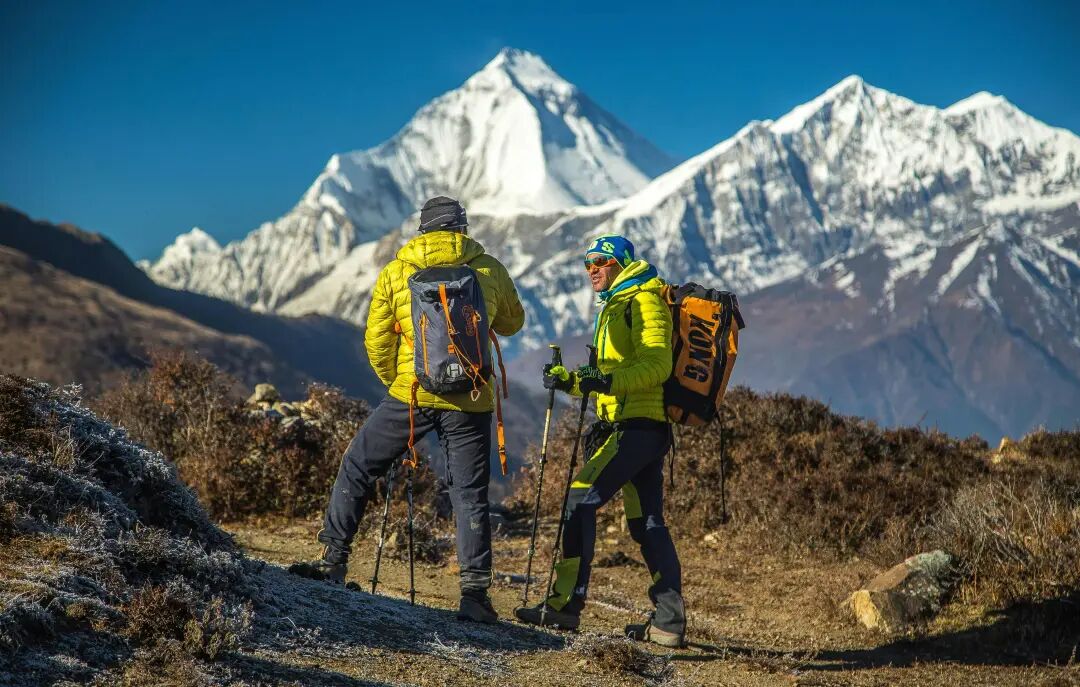
Nepal mountaineer Source: pexels@infinity
I am delighted to share that we have a long-term and strong collaboration with International Mountain Tourism Alliance. I fondly recall the first launching ceremony of International Mountain Tourism Day and Mountain Tourism International Forum Nepal held in Kathmandu back in 2019.
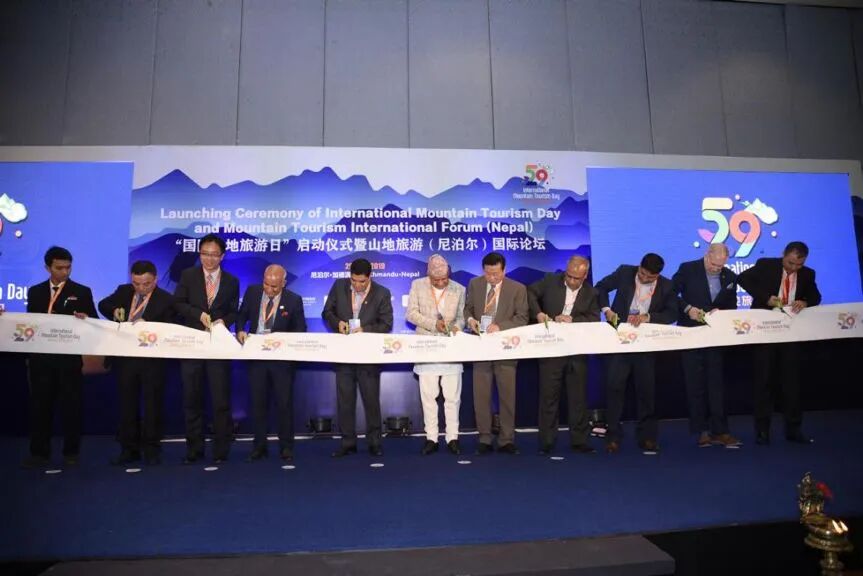
The first International Mountain Tourism Day was held in Kathmandu, Nepal, in 2019
Blessed abundantly with nature's treasures, Nepal's Great Himalayan range stretches gracefully from the far Northwest to the distant East, hosting the world's tallest Eight peaks within its embrace. Besides these eight giant peaks, there are 326 other mountains within Nepal which are open for mountaineering expeditions and out of them, 103 have never been climbed before.
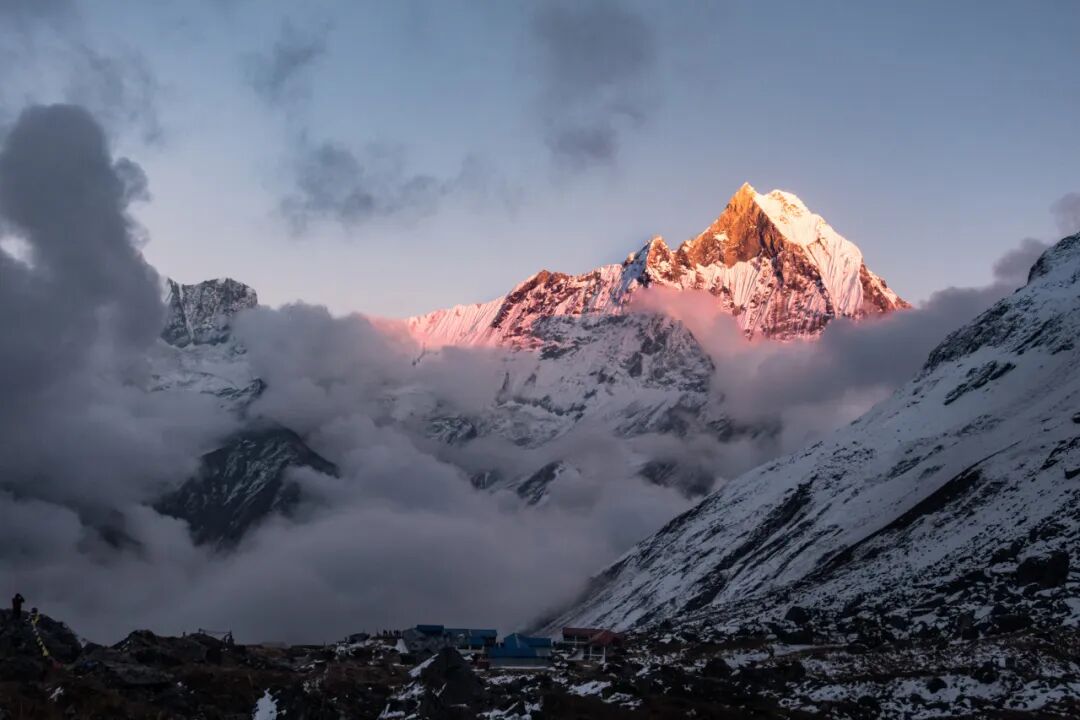
Machapuchare (Fishtail Peak), Nepal
Source: Tuchong Creative
Nepal offers tremendous opportunities for mountaineers and throws endless challenges at them including the less glorified trekking peaks which still require climbing gear and climbing skills if you want to climb them. The impact of mountaineering goes beyond the boundaries of adventure; it extends to the realms of the economy. By fostering a thriving mountaineering industry, Nepal's tourism sector has been contributing to our economy.
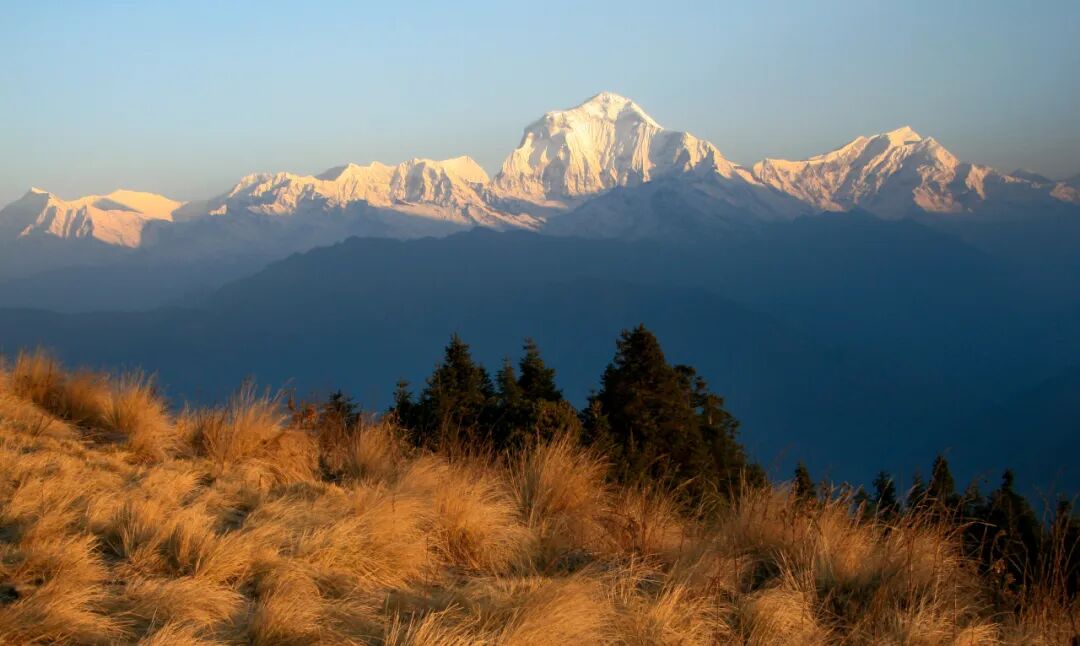
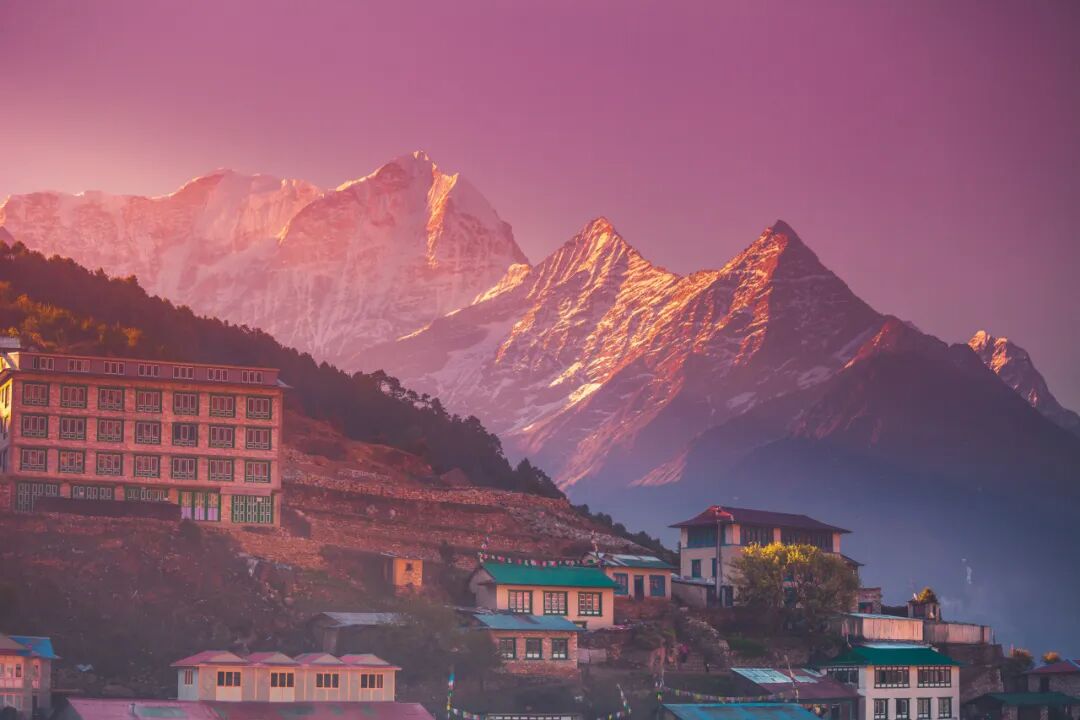
Nepal's Annapurna Peak
Source: Tuchong Creative
As we are connected by mountains and rivers, Mount Everest is the common heritage of Nepal and China which is a living symbol of the relationship between Nepal and China since the historic period.
As we celebrate, we have to reflect on our responsibility towards the ecological protection, local communities and culture. Sagarmatha is not just a symbol of human endurance—it is a living ecosystem, a source of life for millions downstream, and a sacred trust we hold for future generations. But today, this trust is under threat.
Mount Everest Base Camp in the Himalayas
Source: Tuchong Creative
We are witnessing rising temperatures, melting glaciers, and increasing waste left behind by climbers and trekkers. The ice and snow of the Himalayas feed the great rivers of Asia—the Ganges, the Indus, the Yangtze, the Mekong.
Nepal has taken stricter environmental measures to enhance safety and sustainability on the world’s highest mountain and other mountains including cleaning and promoted eco-friendly climbing practices and limited the number of permits when necessary.
Environmental protection of the mountains must be a joint effort between the countries as well as climbers and local communities, between governments and trekkers.
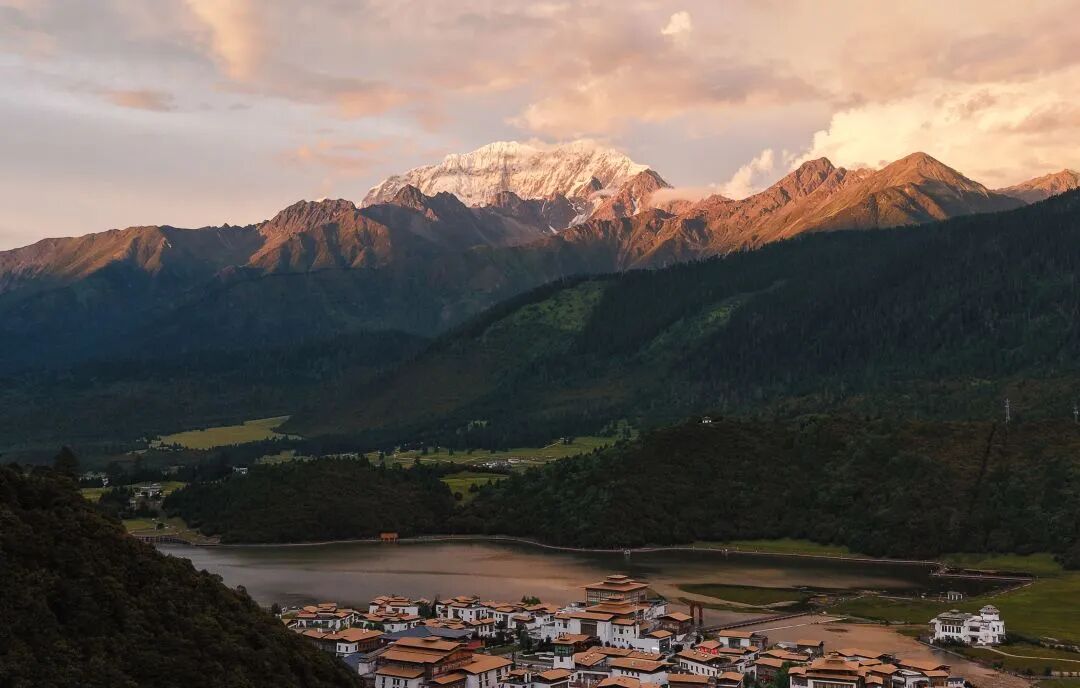
Tibet Autonomous Region, China
Source: pexels@lywin
Today, as we celebrate the mountain tourism, we must also look beyond the peak—to the entire Himalayan range and to mountain regions around the world. Mountains are not just breathtaking landscapes; they are livelihoods, cultures, and fragile ecosystems.
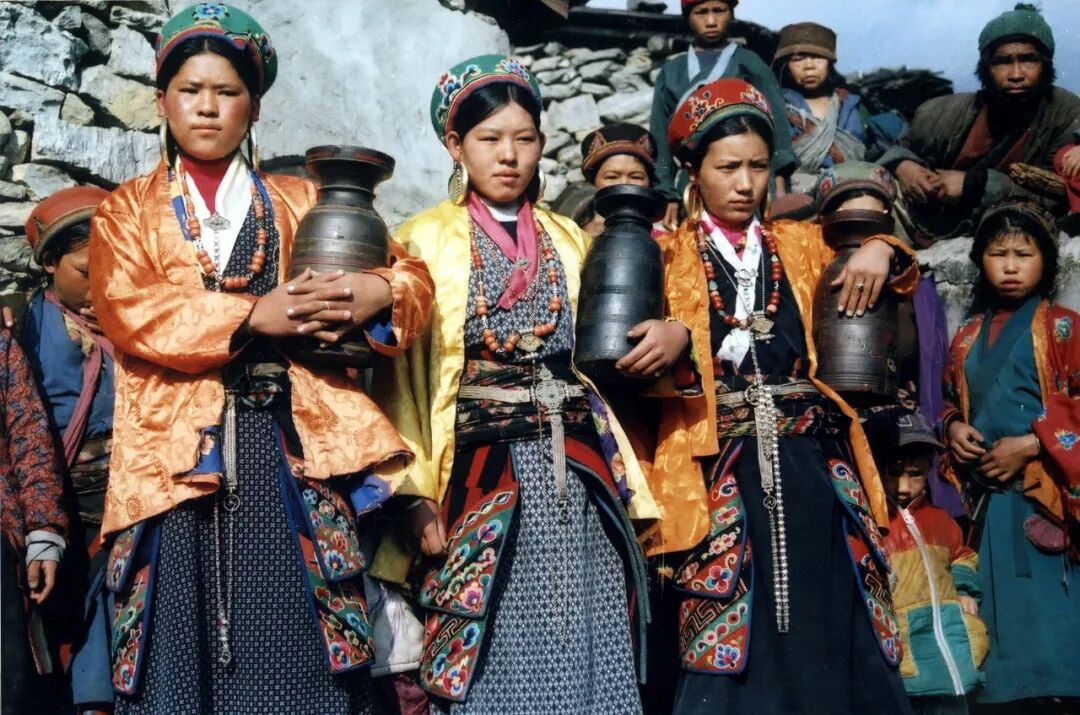
TA Tamang woman from Langtang
Source: Nepal Tourism Board
his is why I am proud to recognize the growing partnership between Nepal and the IMTA. The IMTA has become a global platform dedicated to promoting sustainable, responsible, and inclusive mountain tourism. For Nepal, this alliance is not just an opportunity — it is a necessity. We can exchange the best practices in eco-friendly trail management and waste reduction, in creating sustainable trans-Himalayan trekking routes, training and certification for local guides, porters, and lodge owners in green tourism.
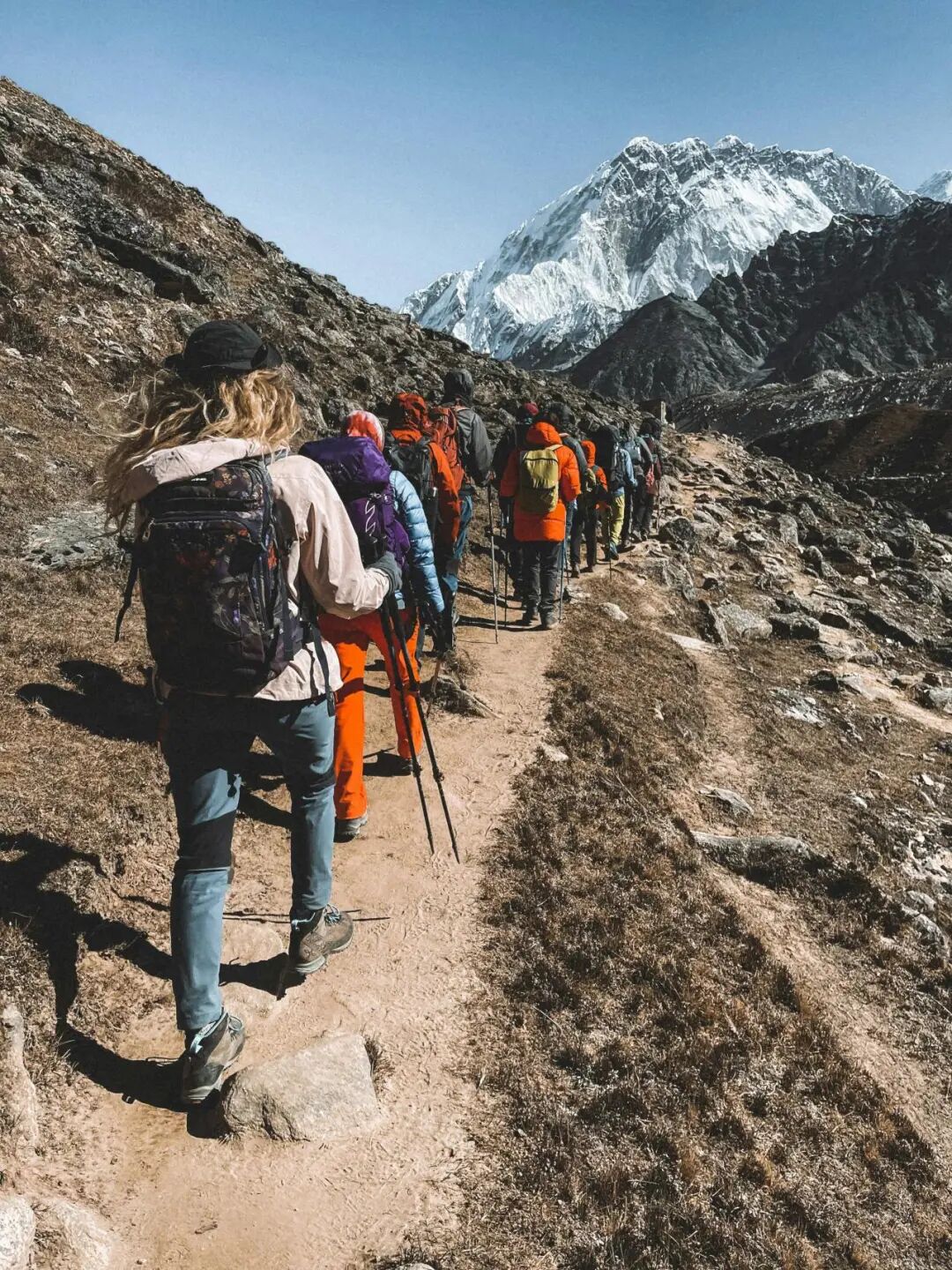
Mountain Hiking
Source: pexels@marina-zvada
We highly appreciate the leadership of IMTA for promoting sustainable, responsible, and inclusive mountain tourism. Together, through alliances like the IMTA and the enduring friendship between Nepal and China, we can keep our mountains majestic forever.
I wish the programme a great success! I express my deepest gratitude to IMTA, Hubei provincial government and all the wonderful hosts for your amazing hospitality in this beautiful place.
Unless otherwise credited, all text and images are sourced from: International Mountain Tourism Alliance (IMTA)
Editor Ⅰ: Zhang Congxiao
Editor Ⅱ: Zhang Wenwen
Editor Ⅲ: Zhang Yijing