


If the Jungfrau is the gentle queen, then the Matterhorn, at 4,478 meters, is the embodiment of Swiss ruggedness.
Located in Zermatt on the Swiss-Italian border, the Matterhorn is a classic horn-shaped peak formed by glacial erosion—its four faces face north, south, east, and west, with steep, narrow ridges that barely hold any snow. The mountain is composed of hard gneiss, a metamorphic rock highly resistant to weathering, allowing the Matterhorn to retain its sharp, triangular pyramid form through millions of years of glacial erosion. This distinctive silhouette is not only the most photographed peak in the Alps but also served as the inspiration for the Toblerone chocolate logo—the Matterhorn's image began appearing on Toblerone packaging around 1970. In this way, a mountain became the visual symbol of a taste, recognized around the world.
The Matterhorn’s solitude is reflected not only in its shape but also in the history of mountaineering. It was the last major peak in the Alps to be conquered. On July 14, 1865, British climber Edward Whymper led a seven-man team to the first successful ascent via the Zermatt ridge. However, the joy of reaching the summit was short-lived. During the descent, a rope broke, and four members fell 1,400 meters down the glacier to their deaths. The tragedy shocked Europe and forever linked the Matterhorn with both glory and tragedy. Today, these climbing pioneers are buried near the mountaintop church in Zermatt. The town’s Matterhorn Museum, housed underground, displays the rudimentary equipment used in that climb and the broken rope—each exhibit silently telling the story of a victory intertwined with death.
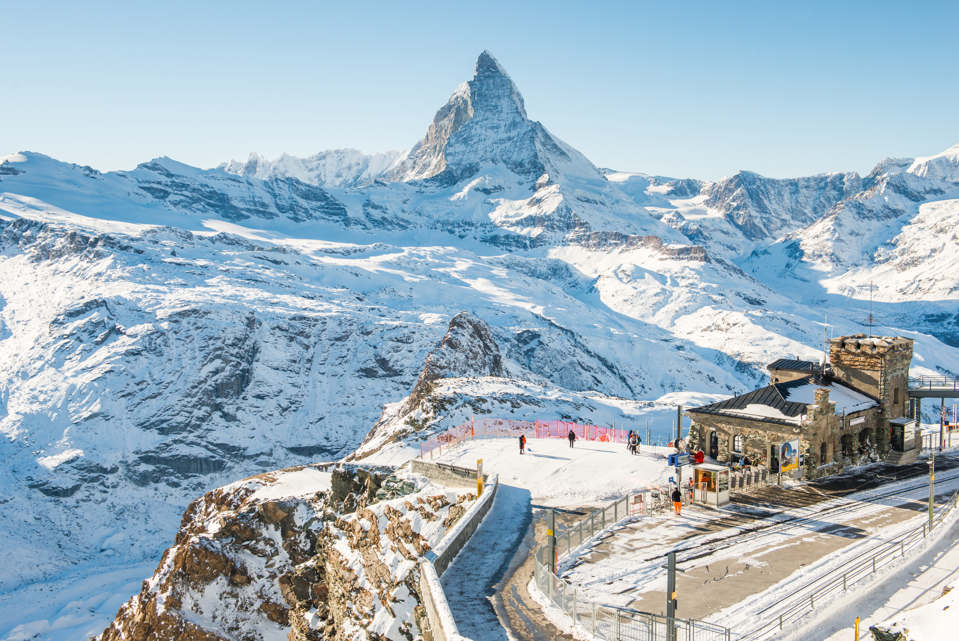
The Matterhorn Image Source: Tuchong
Among the many hiking trails around the Matterhorn, the most famous is the Five Lakes Walk, which passes five alpine lakes. On clear, calm days, the Matterhorn is reflected in the water—its peak pointing downward, its base upward—a perfect mirror created by nature itself.
Editor Ⅰ: Zhang Congxiao
Editor Ⅱ: Bao Gang
Editor Ⅲ: Pan Kaiyue