


During the dog days of summer, short-duration rainstorms and thunderstorms are common. Mountain environments can change in an instant—slippery moss on rocks, undercurrents in rock crevices, unknown aquatic life in creek valleys, loose rocks on slopes, and waters of unpredictable depth. Every element harbors hidden dangers that can trigger accidents at any moment. To enjoy a pleasant canyoning experience, thorough preparation is essential.
Before Departure: Rainy-Season-Specific Risk Assessment to Avoid Dangers at the Source
The risks of canyoning during the dog days mostly stem from the volatile rainy-season weather and complex mountainous terrain. Conducting a risk assessment before departure is the first line of defense against accidents—far more important than damage control afterward.
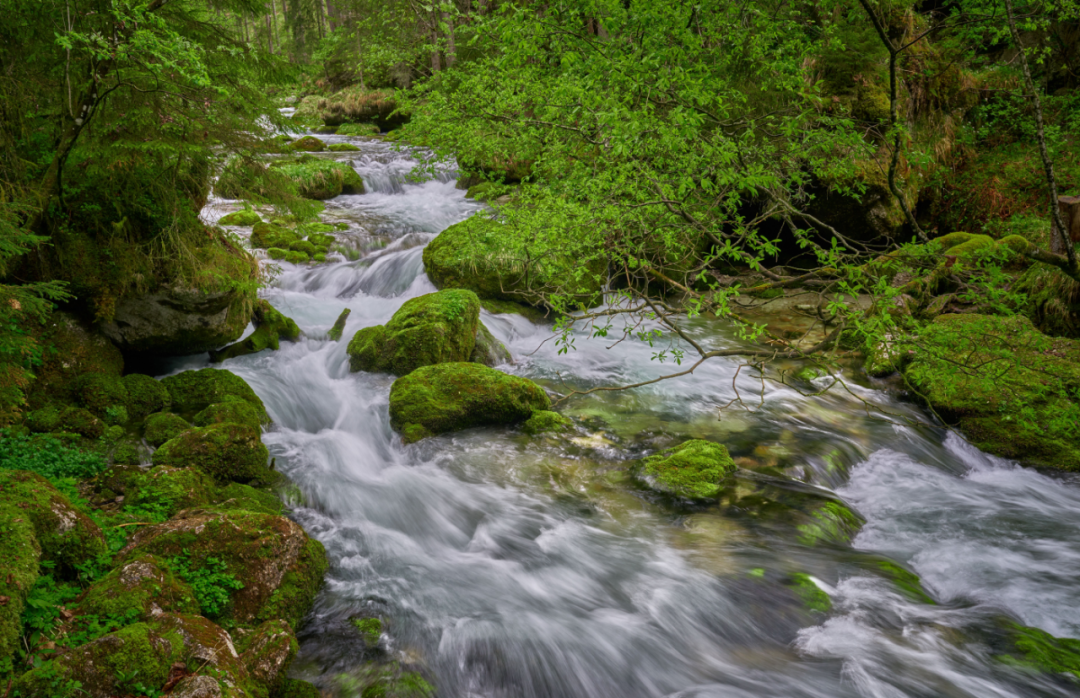
Mountain stream. Source: pexels@tommes-frifes
1. Pay close attention to weather and disaster warnings. During the dog days, convective short-duration rainstorms are the norm, and weather can change extremely quickly. Even if the city is under clear skies, remote mountain creek valleys may suddenly be hit by torrential rain. Before departure, not only should you check the full-day precise weather forecast, but you should also pay special attention to mountain rainstorm, flash flood, and geological disaster warnings. If there is any forecast of rainfall, strong winds, or flash floods, resolutely cancel or change your itinerary—never take chances. Also avoid the one to two days following consecutive rainfall, as the soil is saturated with water, slopes are prone to landslides, and creek water levels can rise sharply.
2. Choose established and compliant canyoning routes. Beginners should never blindly explore obscure wild streams, unmanned wilderness areas, or undeveloped valleys. In such areas, river depths are unknown, there is no maintenance, no rescue signage, and undercurrents, sinkholes, and hidden rocks are everywhere. Prioritize well-developed, regularly visited, and safety-managed official canyoning sites. Familiarize yourself in advance with the route, evacuation points, and retreat channels, plan your round-trip duration, and avoid being stranded in the wilderness after dark.
3. Report your itinerary to others and never go alone. Canyoning must be done in groups—three or more people is ideal. Going into the mountains alone for canyoning is strictly prohibited. Before departure, be sure to accurately report your destination, route, companions, and expected return time to family or friends. Keep your phone on and accessible throughout the trip, share your location in real time, and purchase commercial outdoor insurance to provide sufficient coverage for emergency rescue.
Editor Ⅰ: Zhang Congxiao
Editor Ⅱ: Zhang Wenwen
Editor Ⅲ: Pan Kaiyue