


Graded Identification – 4 Stages to Recognize Hypothermia Symptoms
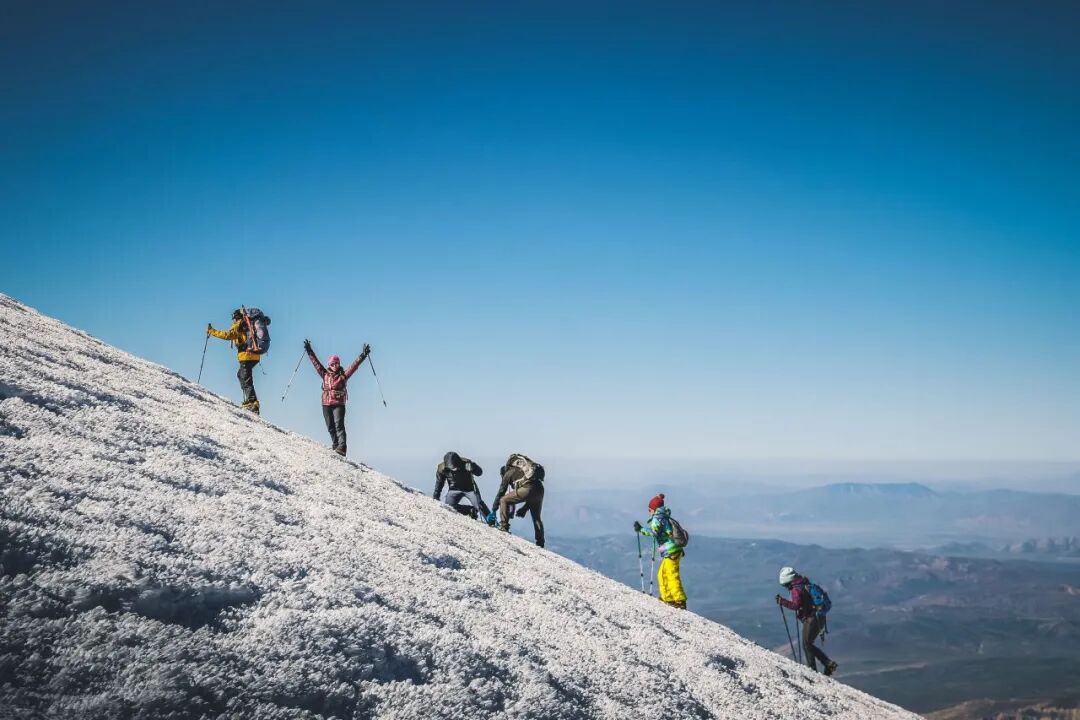
Source: pexels@seyfldurmaz
Hypothermia is a progressive process. The earlier you recognize it and the sooner you intervene, the safer you will be. The condition is divided into three stages (plus a terminal stage), and every hiker must commit these to memory.
Mild Hypothermia (Core Temperature: 35°C – 37°C / 95°F – 98.6°F)
This is the last golden window for self-rescue. Obvious symptoms include: intense chills, uncontrollable shivering throughout the body, stiff and numb hands and feet, uncoordinated movements, unsteady gait, and slowed reactions. Accompanying signs are fatigue, drowsiness, scattered attention, and slurred speech. Many people mistake these for simple tiredness or cold and try to "tough it out" – missing the critical window for self-rescue.
Moderate Hypothermia (Core Temperature: 33°C – 35°C / 91.4°F – 95°F)
Shivering suddenly weakens or even stops entirely – this is not a sign of warming, but an indication that the body's heat-producing mechanisms are on the verge of collapse. At this stage, the patient appears pale, lips turn bluish-purple, muscles become severely stiff, walking is extremely difficult, consciousness begins to cloud, and the person becomes apathetic and unresponsive to their surroundings. Some individuals may experience paradoxical undressing – a dangerous illusion of feeling overheated and wanting to remove clothing.
Severe Hypothermia (Core Temperature: 30°C – 33°C / 86°F – 91.4°F)
This is a life-threatening critical stage. The patient is unconscious, pupils are dilated and unresponsive, breathing and heartbeat are weak, pulse is slow, muscles are rigid throughout the body, and skin is cold and pale-white. Core organs are on the verge of failure, and cardiac arrest or shock-induced death can occur at any moment. Immediate professional emergency care and evacuation to a hospital are required.
Terminal Stage (Core Temperature Below 30°C / 86°F)
From 30°C down to 27°C (86°F – 80.6°F), the body is essentially at the brink of death. Muscles are stiff and contracted throughout, pulse and breathing are so weak as to be barely detectable, consciousness is lost, and the patient is comatose. At this point, even a minor external disturbance (such as rough handling) can trigger ventricular fibrillation and stop the heart. This stage ultimately ends in death.
However, do not give up prematurely – there have been documented cases of patients being resuscitated after their core temperature dropped to 9°C (48.2°F) and their heart had stopped for 60 minutes.
Practical First Aid – Correct Emergency Steps When Hypothermia Strikes During a Hike
If you find a companion (or yourself) showing signs of hypothermia, follow the core principle: "Stop the loss first, then rewarm, and stabilize for evacuation." Proceed with the following steps:
Step 1: Stop immediately and remove the person from the cold environment.
Find a sheltered, windproof, rainproof, and sun-exposed area on relatively flat ground. Stay away from windy ridges, passes, and cold, damp valley bottoms. Stop all physical exertion and rest in place to preserve warmth.
Step 2: Change into dry clothing and block out cold wind and moisture.
Remove all sweat-soaked or rain-soaked base layers. Dry the body thoroughly, then put on dry, insulating inner clothing. Wear a hat, gloves, and neck gaiter to fully wrap the body and prevent ongoing heat loss.
Step 3: Passive insulation – trap remaining body heat.
Wrap the patient tightly with emergency blankets, hardshell jackets, or sleeping bags. Pay special attention to insulating the head, neck, torso, armpits, and groin – these are the major areas of heat loss. Maximize retention of remaining body heat.
Step 4: Gently replenish energy and fluids.
For patients who are conscious (mild to moderate hypothermia), give small, frequent sips of warm sugary drinks, electrolyte solutions, or hot ginger tea to replenish calories and energy. Do not let them chug large amounts. For unconscious patients, do NOT give any food or drink to prevent choking and aspiration.
Step 5: Evacuate urgently and contact rescue services.
For moderate to severe hypothermia, after in-place warming measures, descend the mountain slowly and evacuate as soon as possible. Simultaneously, call emergency rescue, providing precise information on your location, symptoms, number of people, and wait for professional assistance.
Editor Ⅰ: Zhang Congxiao
Editor Ⅱ: Zhang Wenwen
Editor Ⅲ: Pan Kaiyue