


I. Walking Techniques on Flat Terrain – Reduce Leg Compensation and Overdevelopment
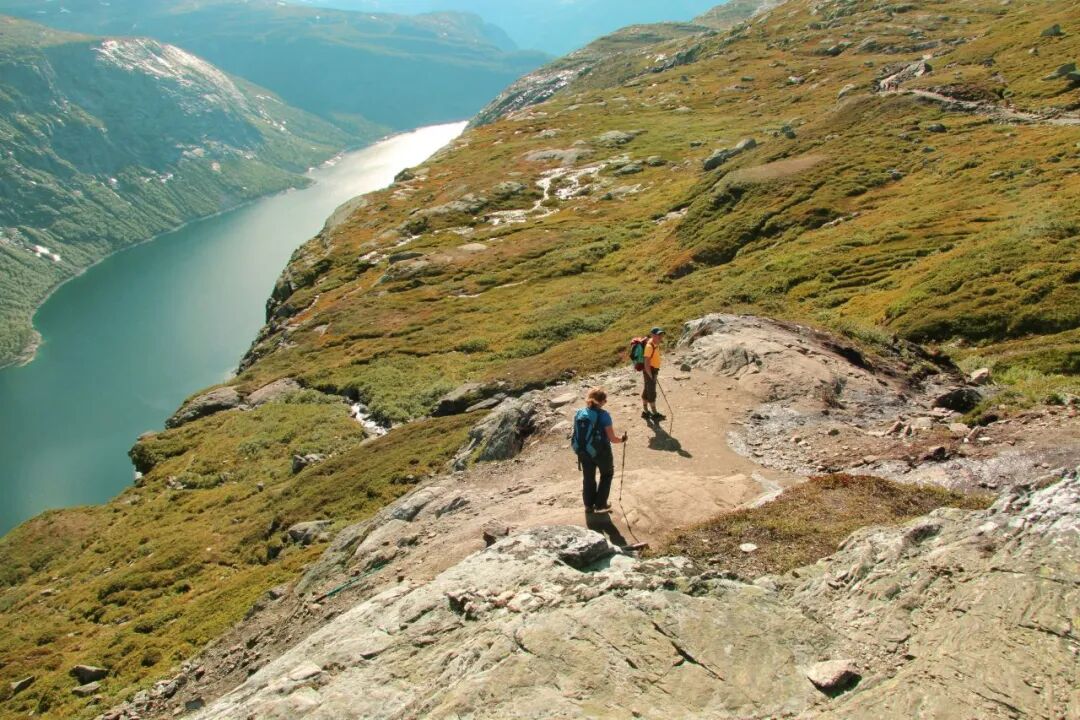
Source: pexels@linasali
1. Control Stride Length and Pacing
Adopt a short, rapid stride – reduce your step length to about two-thirds of your normal walking stride. This minimizes continuous strain on the calf muscles, reducing soreness and bulkiness. Maintain a steady pace throughout, coordinating your steps with a regular breathing rhythm. Avoid sudden speed changes that exhaust muscle stamina.
2. Stabilize Your Center of Gravity
Lean your upper body slightly forward, keeping your center of gravity centered between both feet. When wearing a backpack, keep it snug against your back to reduce pulling forces on your lower limbs. Maintain a stable torso and avoid excessive side-to-side swaying, especially under load.
3. Proper Foot Landing for Shock Absorption
Land with your entire foot – the sequence should be: heel first, then roll smoothly to the midfoot, and finally push off with the toes. This reduces pressure on the arch. Choose firm, flat stepping surfaces whenever possible, and avoid loose gravel or slippery mossy sections.
II. Uphill Climbing – Energy-Saving Techniques to Prevent Overexertion
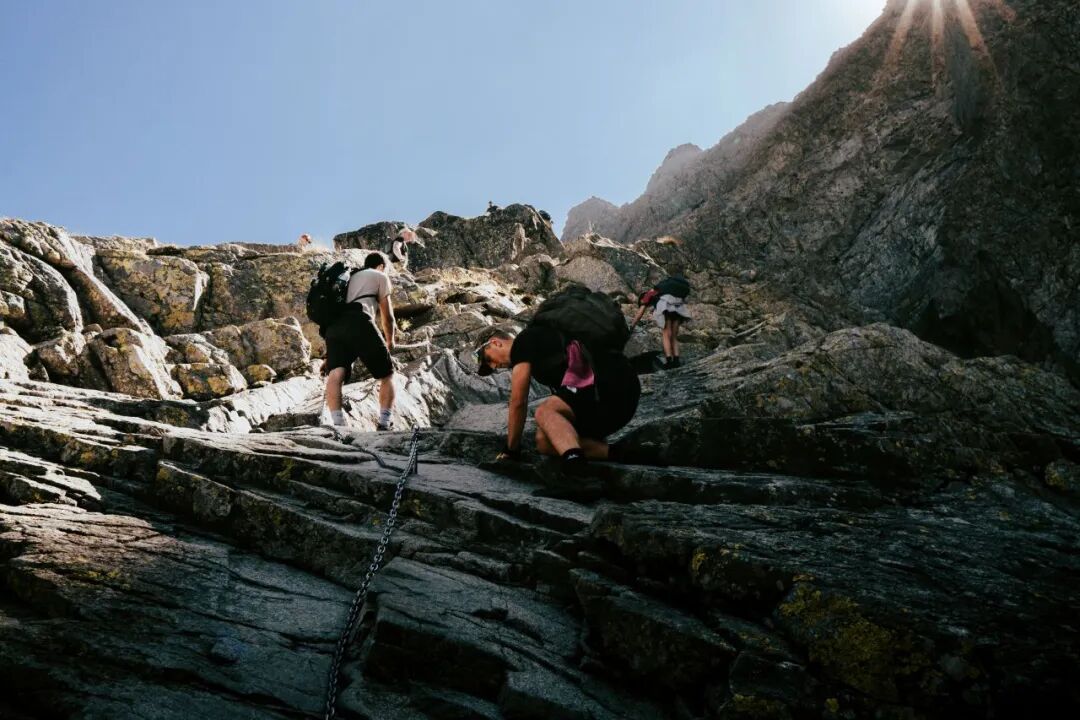
Source: pexels@kokorevas
1. Proper Posture and Power Application
Lean your torso forward in proportion to the slope, keeping your chest lifted and back straight (avoid hunching) to ensure smooth breathing. On steep inclines, you may lightly rest your hands on your knees for leverage, redistributing pressure from your calves and thighs.
2. Sync Breathing with Steps
Follow a two-step inhale, two-step exhale deep-breathing rhythm throughout. Never hold your breath. If you feel chest tightness or shortness of breath, stop immediately, stand still, and regulate your breathing before continuing.
III. Downhill Descent – Core Knee Protection, Ankle Sprain Prevention, and Impact Reduction
Downhill sections are high-risk areas for knee injuries and ankle sprains. Focus on cushioning and speed control:
1. Take Tiny Steps at All Times
Regardless of the steepness, use extremely short steps – each stride should be no longer than the length of one foot – to significantly reduce impact forces on your lower body.
2. Descend Steep Slopes Sideways
On steep drops or inclines, turn your body sideways to increase the contact area between your foot and the slope surface, enhancing stability. The downhill-side foot lands first, while your weight stays on the uphill (trailing) support leg; use your hands to steady yourself if you lose balance.
3. Use a Zigzag (S-Curve) Route on Steep Terrain
On very steep slopes – both ascending and descending – adopt a zigzag / switchback path to distribute stress evenly across different muscle groups, preventing rapid fatigue and stiffness in a single muscle set.
4. Cushioned Foot Landing for Descents
When landing, follow the sequence: toes first, then quickly transition to the entire foot to absorb ground impact. Never run or jump while going downhill.
Editor Ⅰ: Zhang Congxiao
Editor Ⅱ: Zhang Wenwen
Editor Ⅲ: Pan Kaiyue