


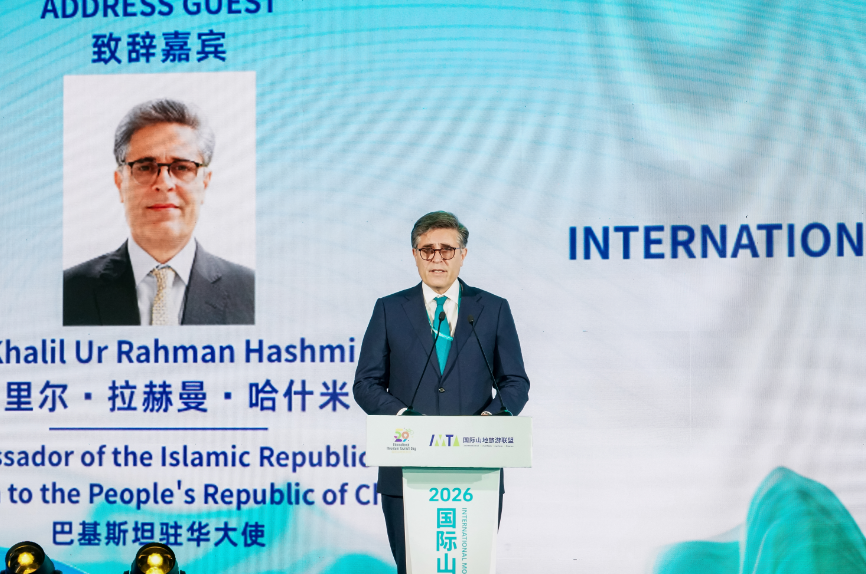
The International Mountain Tourism Day 2026 Theme Events opened on 29 May in Shennongjia, Hubei Province. With the theme "Preserving World Heritage, Sharing the Prosperity of Famous Mountains — Zhiyin Hubei, Mysterious Shennongjia", the gathering brought together representatives from international organizations, foreign embassies and consulates in China, cultural and tourism authorities,, and media professionals from around the world to explore pathways for the coordinated development of ecological protection and cultural tourism. The program featured the Opening Ceremony, the Dialogue among World Famous Mountains 2026, the Investment and Business Meeting for Mountain Culture and Tourism, and a series of other events. Guests participated in various formats, sharing cutting-edge ideas and deepening practical cooperation. Khalil-ur-Rahman Hashimi, Pakistani Ambassador to China, delivered a speech at the Opening Ceremony of the Events.
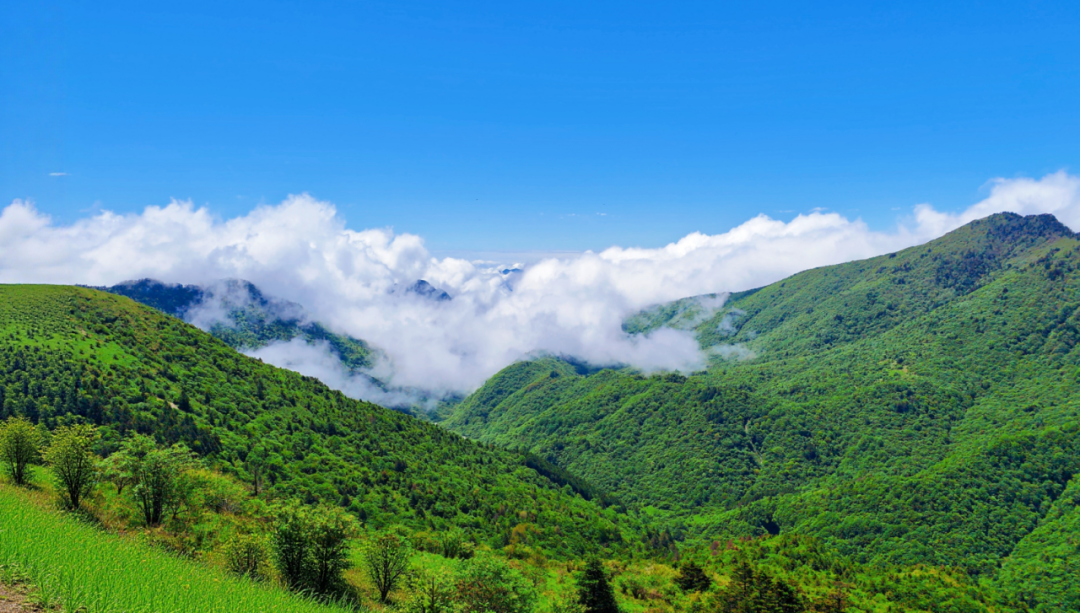
Sea of clouds in Shennongjia Forestry District, Hubei Province, China
Photo : Yuan Jiali
The following is the full text of the speech:
It is a great honor and pleasure to join you today in the magnificent Shennongjia Forestry District for the International Mountain Tourism Day 2026 Theme Events. I would like to express my sincere appreciation to the International Mountain Tourism Alliance, the Government of Hubei Province, and all partner organizations for organizing this important global gathering today.
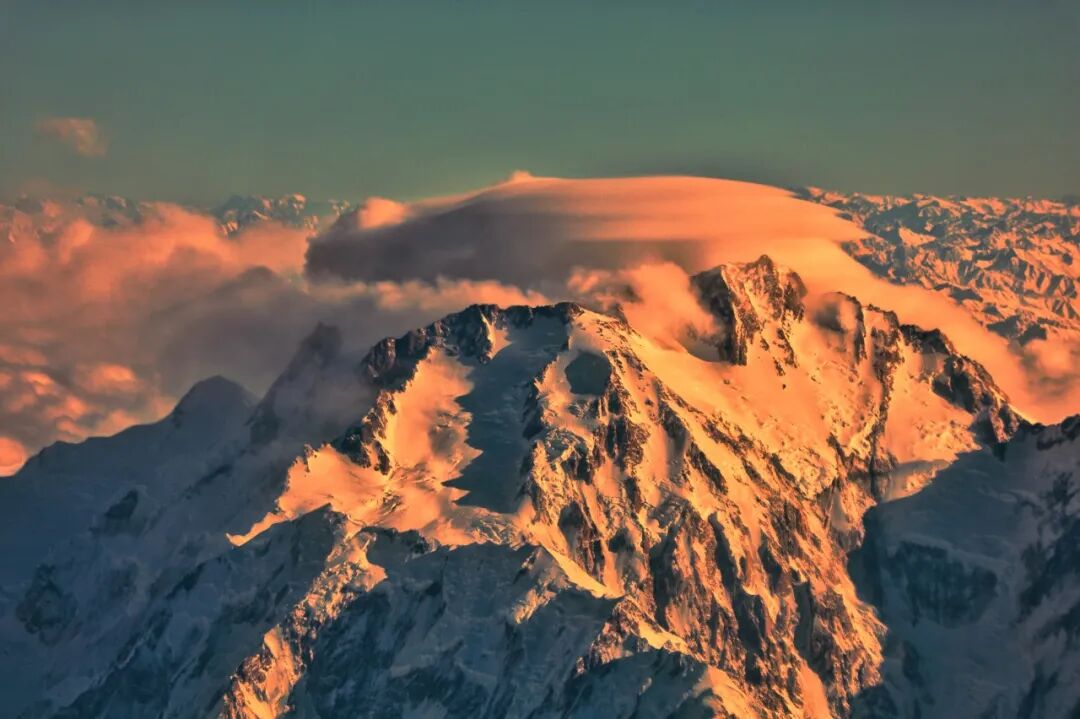
K2
Source: Tuchong Creative
I would also like to commend Hubei Province for its remarkable commitment to ecological conservation and sustainable tourism development. Shennongjia's "triple crown" of UNESCO recognitions under the World Heritage, Biosphere Reserve, and Global Geopark systems makes it a remarkable global example of harmony between nature conservation and tourism development.
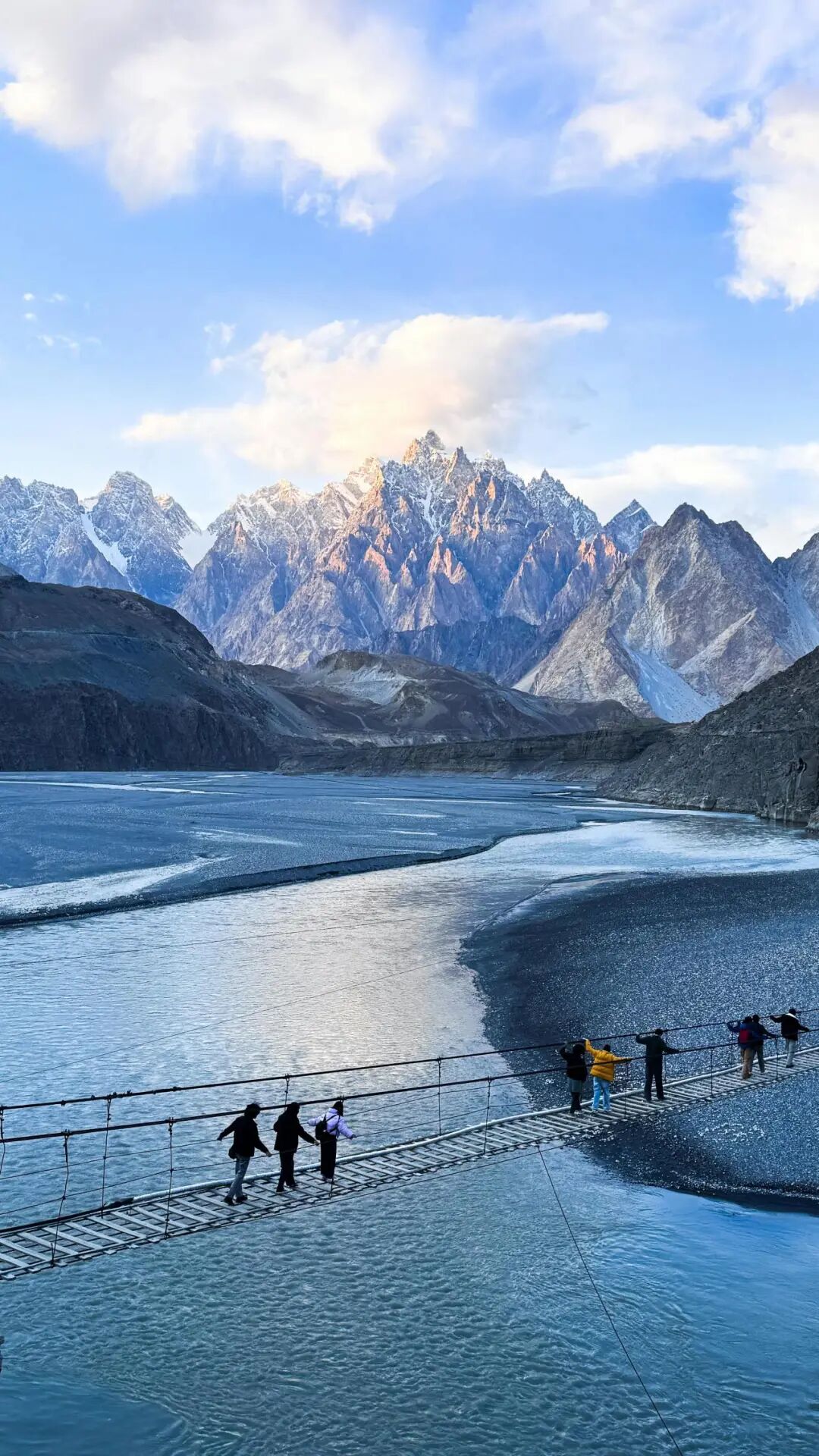
Snow-capped mountains and tourists in Pakistan
Source: pexels@pinetopreort
This theme is deeply relevant for our shared future.
Pakistan, like China, is blessed with extraordinary mountain landscapes and ecological treasures. Pakistan is home to five of the world's fourteen peaks above 8,000 meters, including K2, the world's second-highest mountain, located in the majestic Karakoram Range in Gilgit-Baltistan along the Pakistan-China border. Widely regarded as one of the most difficult and technically demanding peaks to climb, K2 is also known among mountaineers as the "Savage Mountain."
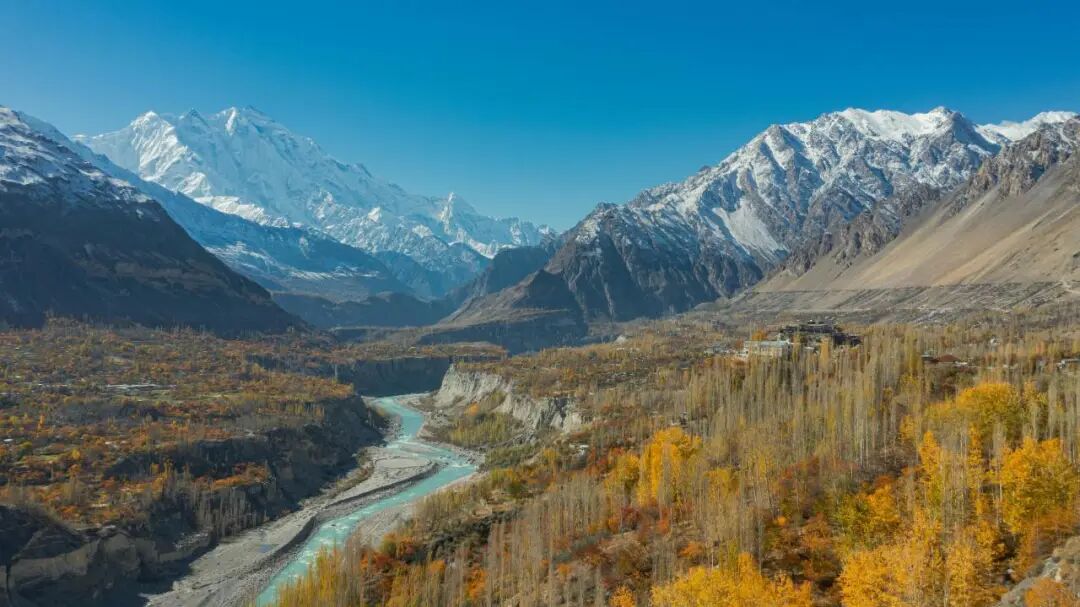
Snow-capped mountains and river valley in Pakistan
Source: pexels@wasifmehood997
Stretching across the Karakoram, Himalayan, and Hindu Kush Mountain systems, Pakistan's mountains are not merely geographical landmarks; they are living ecosystems, sources of water and biodiversity, and homes to vibrant mountain communities and ancient cultures.
At the same time, Pakistan stands on the frontline of climate change. Despite contributing minimally to global carbon emissions, our country has experienced devastating climate-related challenges in recent years, including catastrophic floods, glacial melt, landslides, and increasing pressure on fragile mountain ecosystems.
These challenges reinforce Pakistan's commitment to promoting greener and more sustainable mountain tourism through initiatives in northern regions such as Gilgit-Baltistan and Khyber Pakhtunkhwa aimed at improving waste management, reducing plastic pollution, and expanding solar energy solutions in remote mountain communities.
Ladies and gentlemen,
Pakistan's northern regions also offer tremendous opportunities for tourism and people-to-people exchanges. From Hunza, Skardu, Swat and Neelum valley to Fairy Meadows and Deosai Plains, Pakistan welcomes visitors from around the world to experience some of the most spectacular mountain landscapes on Earth. I warmly invite our Chinese friends and all international guests present here today to visit Pakistan and discover its natural beauty, adventure tourism, rich culture, and renowned hospitality.
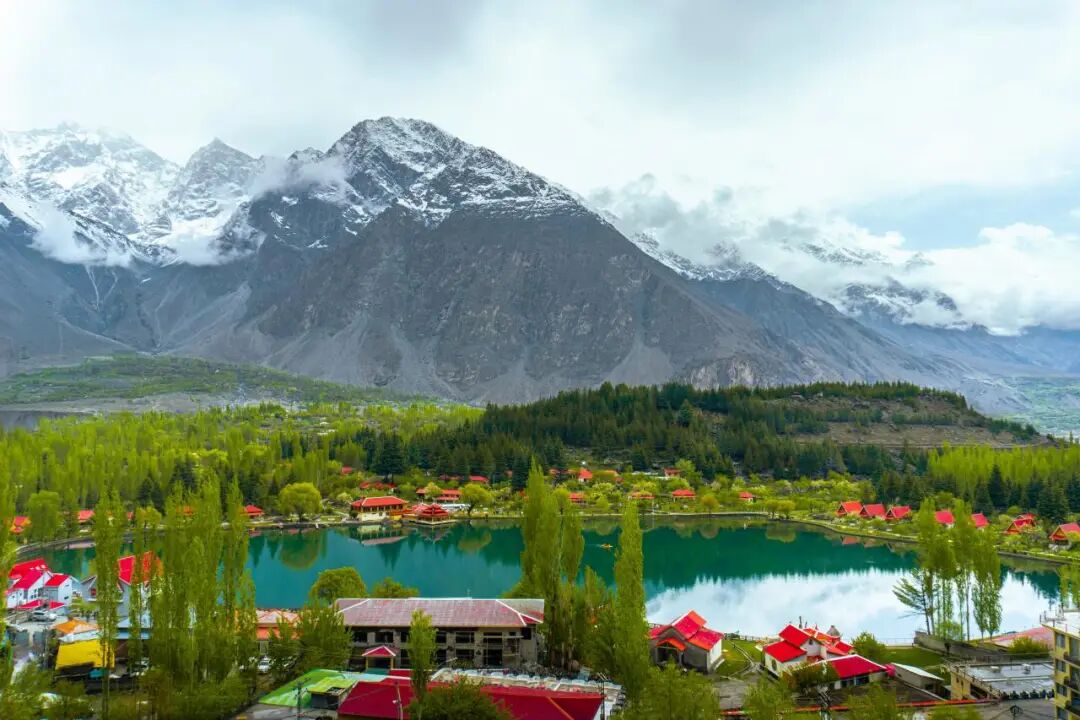
Skardu, Pakistan
Source: pexels@arifesapzai
In the spirit of friendship and cooperation, I would also like to propose exploring a "Mountain Twinning Initiative" between Shennongding and one of Pakistan's magnificent mountains. Such cooperation could promote exchanges in biodiversity conservation, eco-tourism management, mountain research, renewable energy solutions, and sustainable community development and further strengthen the enduring friendship between Pakistan and China.
Mountains teach humanity humility, resilience, and coexistence with nature. They remind us that environmental protection and economic prosperity are not contradictory goals but complementary responsibilities.
As we gather here today in beautiful Shennongjia, let us reaffirm our collective commitment to preserving world heritage, protecting mountain ecosystems, advancing sustainable tourism, and ensuring that the prosperity of famous mountains is shared by all humanity. I wish the International Mountain Tourism Day 2026 Theme Event every success.
Unless otherwise credited, all text and images are sourced from: International Mountain Tourism Alliance (IMTA)
Editor Ⅰ: Zhang Congxiao
Editor Ⅱ: Zhang Wenwen
Editor Ⅲ: Zhang Yijing