


On 9 November, the International Conference of Mountain Tourism and Outdoor Sports (MTOS) 2026 opened in Xingyi City, Qianxinan Buyei and Miao Autonomous Prefecture, Guizhou Province. As one of the Conference's main events, the Forum on Mountain Medical Care, Wellness, and Long-Stay Travel was held in Xingyi at the same time. Drawing on the international platform of the MTOS and highlighting the professional and international positioning of the International Mountain Tourism Alliance (IMTA), the Forum brought together more than 50 representatives from domestic medical universities and colleges, medical associations, hospitals and mountain tourism-related industries for in-depth exchanges on the top-level design of mountain medical care, wellness and long-stay travel, technology empowerment, the product system, customer conversion and brand operation.
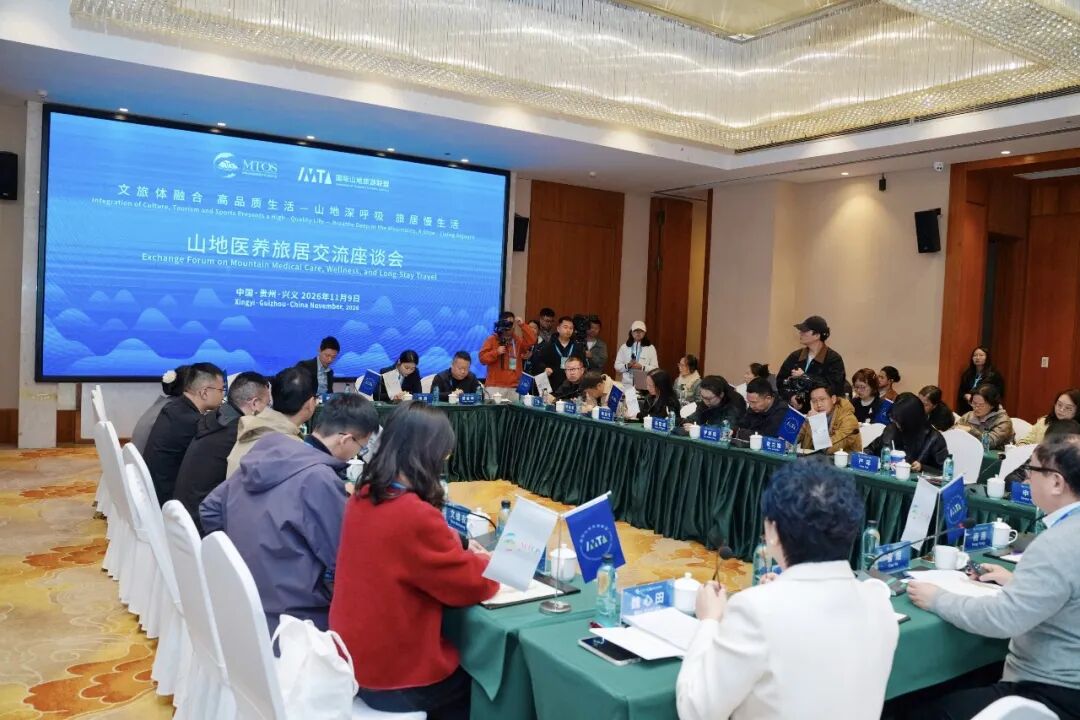
Site of the Exchange Forum on Mountain Medical Care, Wellness, and Long-Stay Travel
The Forum was moderated by Wei Xintian, Deputy Secretary-General of the Sichuan Medical Association. Yang Yang, Professor in the Department of Pharmacology, School of Basic Medical Sciences, Tianjin Medical University; Cao Yu, Professor of Health Institute, Guizhou Medical University; Cao Feng, Dean of the College of Health Preservation and Rehabilitation, Guizhou University of Traditional Chinese Medicine; and Xie Shaoning, Chairman of Chengdu Mandorla Hotel Management Co., Ltd., delivered keynote speeches, among others.
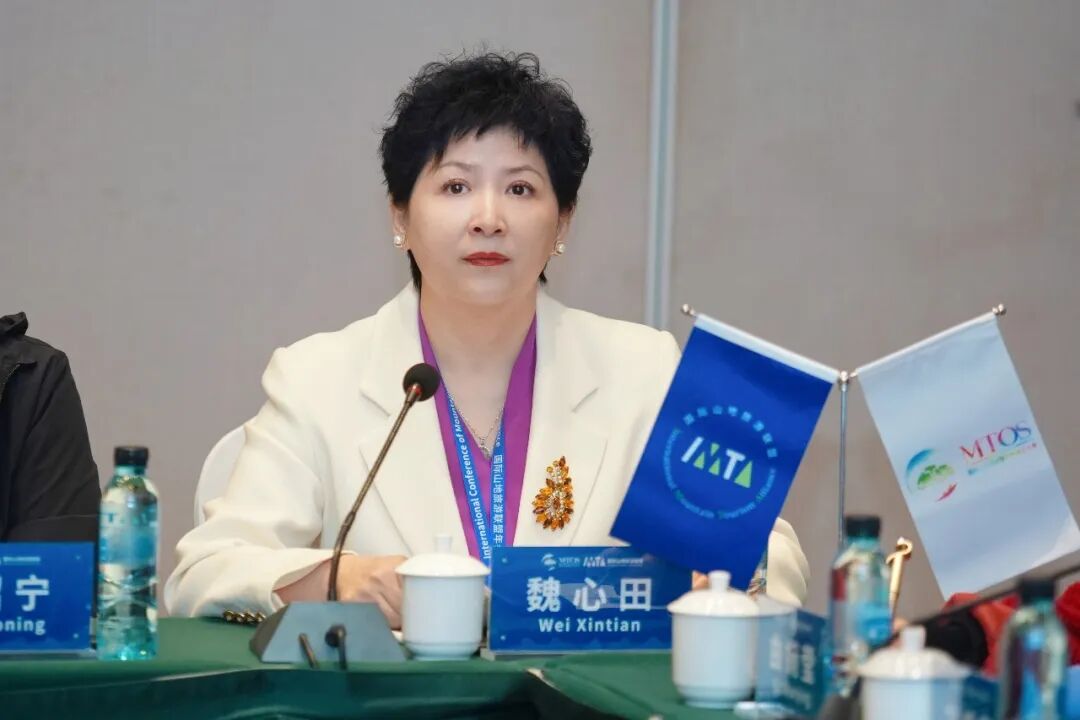
Wei Xintian, Deputy Secretary-General of the Sichuan Medical Association
Yang Yang spoke on “Pathways for Empowering Proactive Health and Environmental Wellness through Bioinformatics.” Starting from bioinformatics and precision medicine, he explained the shift in the proactive health concept from “treatment after illness” to “prevention before illness.” Drawing on multi-omics, wearable monitoring and environmental exposure research, he noted that high-quality natural environments can be translated into measurable, individually adaptable health interventions. “Bioinformatics helps us read the molecular signals inside the human body, and it also helps us read what health value a stretch of mountain forest or a natural environment can bring to people,” Yang Yang said.
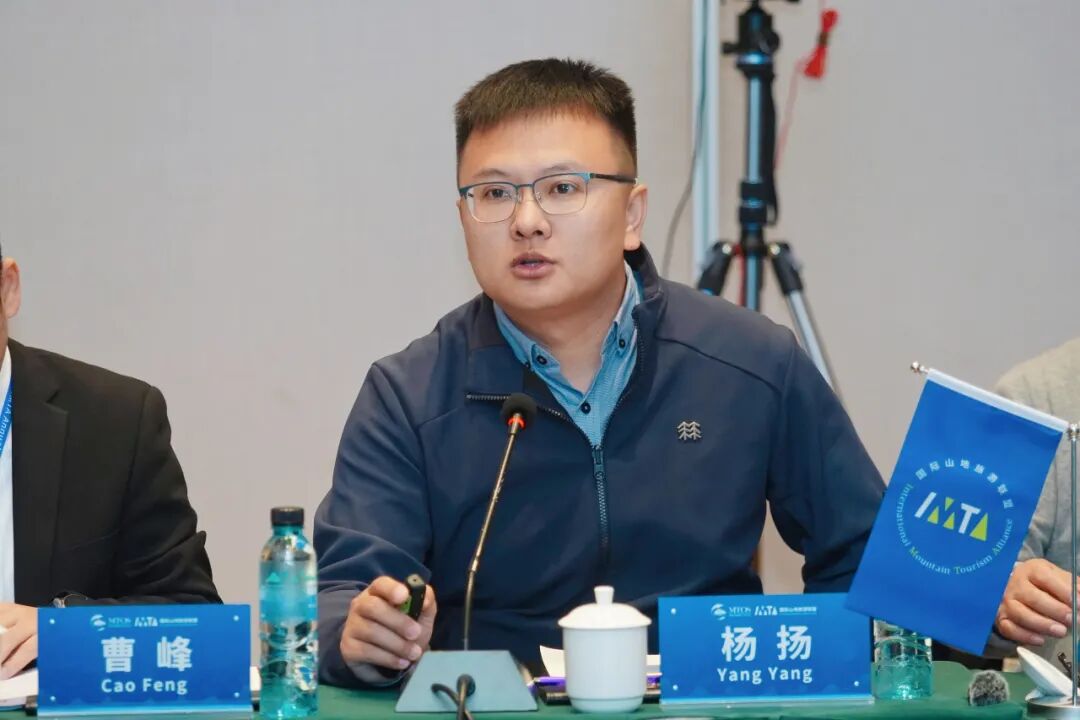
Yang Yang, Professor in the Department of Pharmacology, School of Basic Medical Sciences, Tianjin Medical University
Under the theme “Big Health Technology Empowers a New Model of Mountain Wellness in Guizhou,” Cao Yu drew on Guizhou's resource endowments—its sub-plateau conditions, excellent air quality, forest coverage and ethnic medicine—to present Guizhou's distinctive wellness plan centered on forest wellness, hot-spring wellness, ethnic medicine wellness and innovative climate-therapy wellness. The plan focuses on the preventive treatment of disease, the improvement of sub-health conditions and chronic disease management; it creates three non-medical health intervention service packages covering exercise, nutrition and sleep; it follows a distinctive path that is personalized, non-medical, technology-empowered and evidence-based; and it explores new scenarios for the integrated development of medical resources with scenic areas and wellness bases.
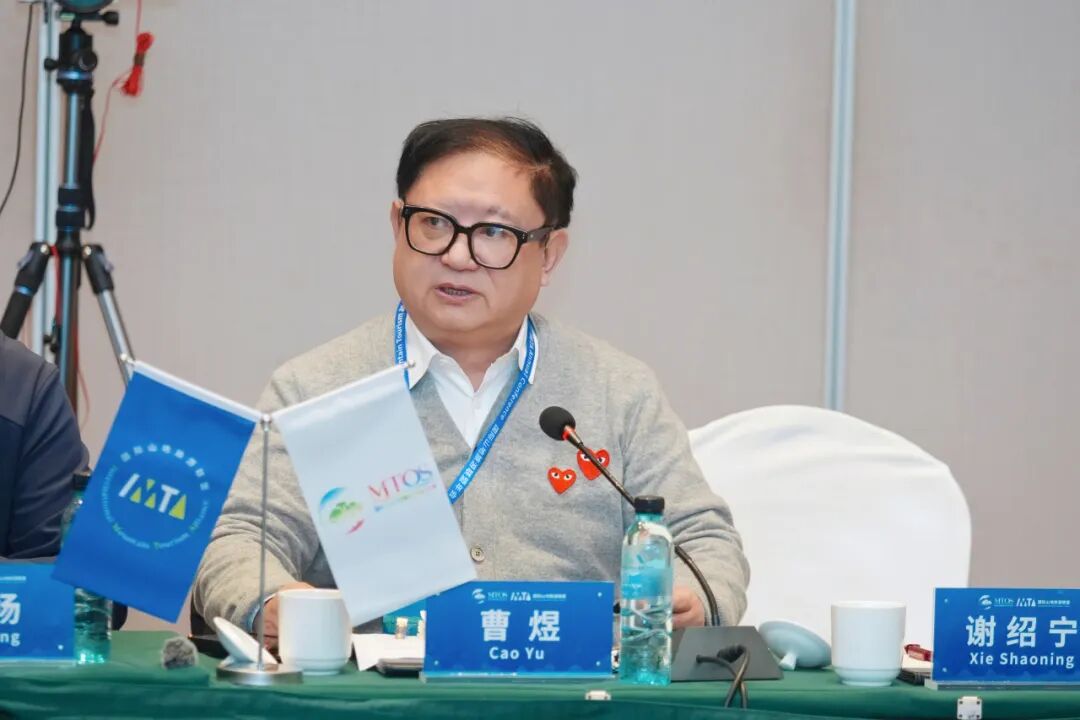
Cao Yu, Professor of Health Institute, Guizhou Medical University
Cao Feng spoke on “AI+ Traditional Chinese Medicine: Helping Build the Product System for Mountain Medical Care, Wellness and Long-Stay Travel.” He noted that the window of opportunity for the mountain long-stay travel industry has opened, yet the supply side generally faces gaps such as weak medical support, homogeneous products, a lack of standards and talent, and seasonal imbalance. The key to breaking through, he said, is to embed “medical care” and “wellness” deeply into mountain long-stay travel scenarios. He stressed that traditional Chinese medicine (TCM) provides five categories of preventive treatment services, while AI makes them scalable and continuous: intelligent four-diagnostic methods and wearable devices enable the full process of identification, assessment, intervention and monitoring, turning expert experience into replicable service capacity. On that basis, and around four product categories—mountain sports wellness, forest climate therapy, medical care and wellness for chronic diseases and the elderly, and medicinal-diet cultural experiences—he built a closed loop of integrated medical and wellness services covering tiered pre-trip assessment, in-trip intervention and monitoring, and post-trip follow-up and repeat visits, upgrading mountain long-stay travel from “selling scenery” to “selling health services.”
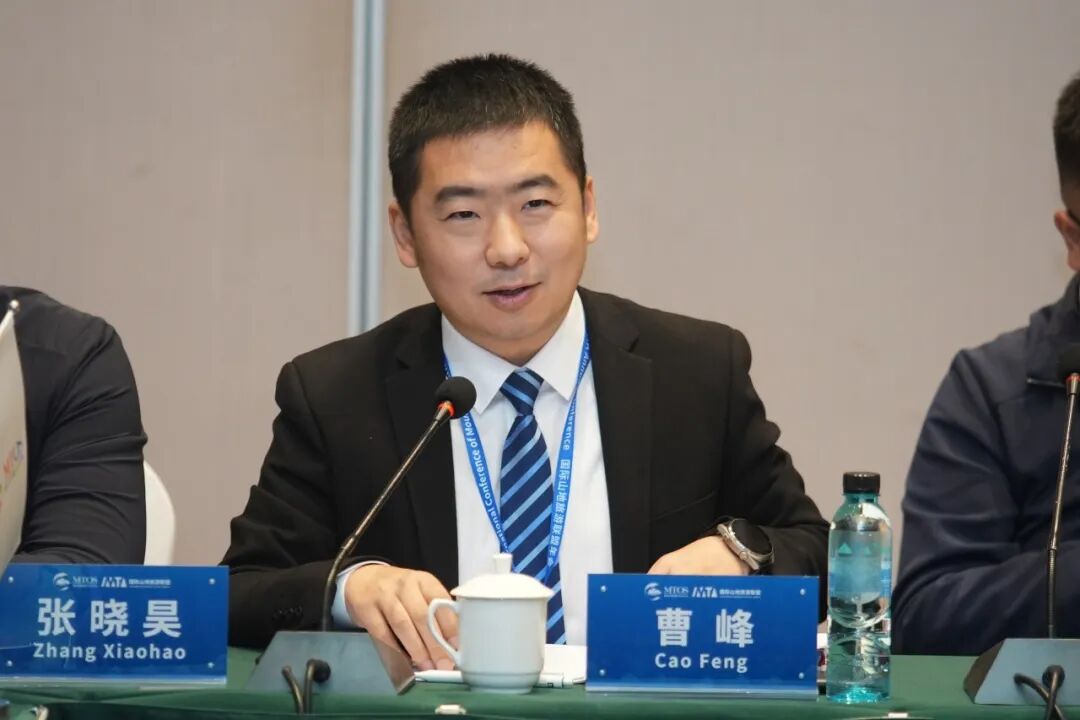
Cao Feng, Dean of the College of Health Preservation and Rehabilitation, Guizhou University of Traditional Chinese Medicine
Xie Shaoning spoke on “Seven Dimensions in Symbiosis, Healing China.” He noted that a healing system truly suited to the physical and mental characteristics of the Chinese people should take TCM syndrome-differentiation wellness theory as its fundamental support and the life philosophy of harmony between humanity and nature as its ultimate principle. He elaborated on seven healing dimensions—nature, sports, hot springs, art, TCM and TCM technology, anti-aging and immunity enhancement, and philosophy and spirituality—and stressed that the seven dimensions are mutually independent, progressive layer by layer and deeply interconnected, jointly building an Eastern view of life featuring “the unity of heaven, earth and humanity and the symbiosis of body, mind and spirit.” This sets it apart from the single-dimension healing models of Europe and the United States, which are psychologically oriented, and of Southeast Asia, which are leisure oriented, and drives Chinese-style healing from fragmentation toward systematization and from localization toward internationalization.
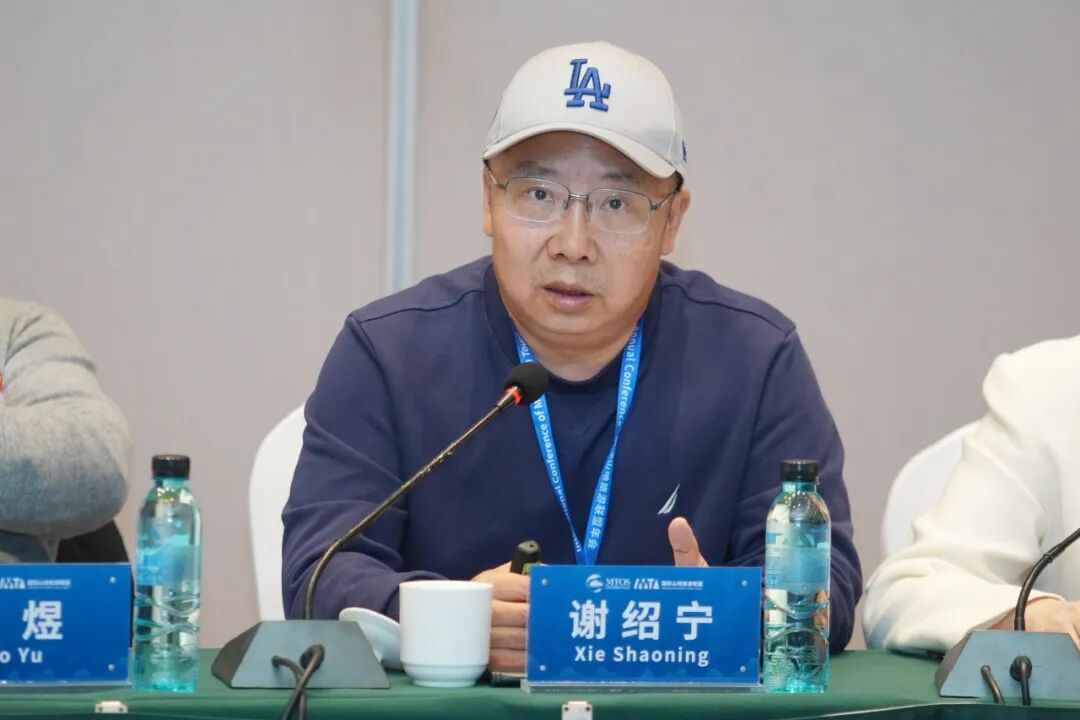
Xie Shaoning, Chairman of Chengdu Mandorla Hotel Management Co., Ltd.
In the discussion session, guests held in-depth exchanges on product design, service standards, medical support, talent training and cross-regional collaboration for mountain medical care, wellness and long-stay travel; they shared experience and put forward suggestions based on practice in their respective fields, and the atmosphere was lively. Participants agreed that mountain medical care, wellness and long-stay travel is an important direction where the integration of sports and tourism meets the big health industry, and that it calls for joint efforts from medical care, TCM, technology, culture and tourism, and operations, among other parties, to address the shortcomings on the supply side and help the industry shift from attracting visitor traffic to retaining visitors and generating lasting value.
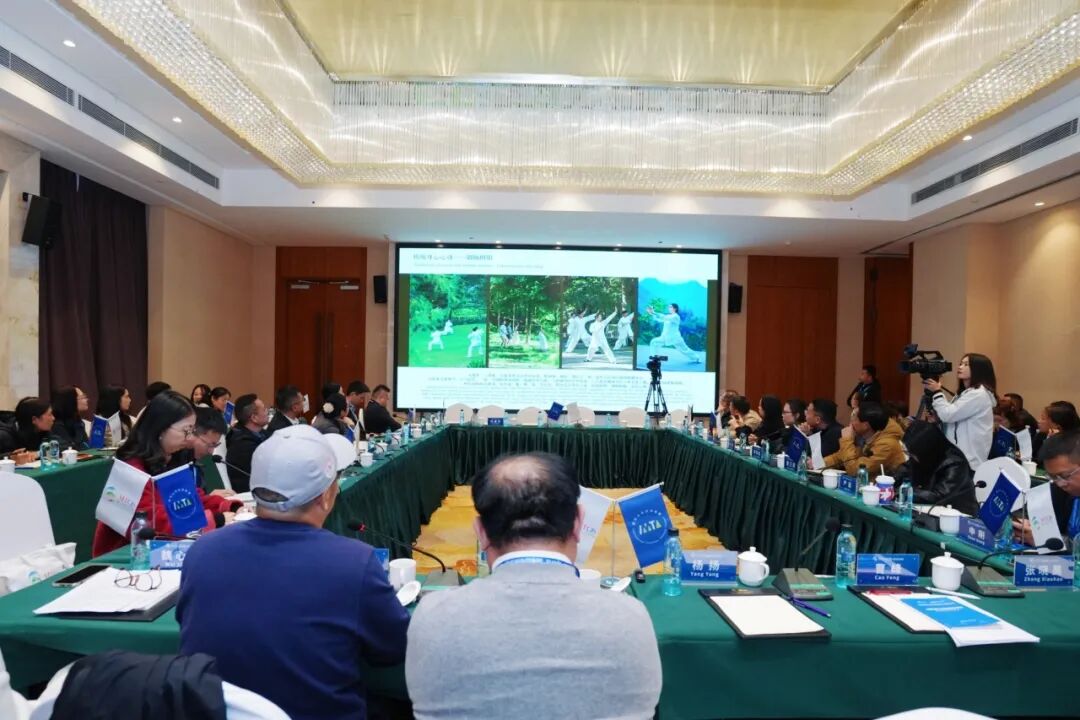
Discussion session
The Forum provided a high-level exchange platform in the field of mountain medical care, wellness and long-stay travel, bringing together cutting-edge ideas and practical achievements in bioinformatics, big health technology, AI+ TCM and Chinese-style healing systems, and forging an industry consensus to “empower mountain long-stay travel with medical care and wellness and support service upgrading with technology.” Leveraging the IMTA's professional agenda setting and international resource linkages, the Forum helps drive mountain tourism from sightseeing to experiential travel and from “selling scenery” to “selling health services,” offering new ideas and new opportunities for the high-quality development of the mountain medical care, wellness and long-stay travel industry in Guizhou and across the country, and generating positive value for the integration of sports and tourism, the upgrading of the wellness industry and sustainable regional economic development.
Editor Ⅰ: Zhang Congxiao
Editor Ⅱ: Zhang Wenwen
Editor Ⅲ: Liu Guosong