


On November 8, the Exchange Forum on Mountain Outdoor Sports was held in Xingyi City, Qianxinan Buyei and Miao Autonomous Prefecture, Guizhou Province. As one of the main events of the International Conference of Mountain Tourism and Outdoor Sports (MTOS) 2026, the Forum was themed “Focusing on the Quality Upgrade of Mountain Outdoor Sports, Jointly Promoting Innovation and Integration of the Sports-Tourism Industry.” It brought together heads of outdoor sports associations, industry experts, representatives of mountain tourism destination management institutions, and representatives of mountain outdoor enterprises from China, Nepal, the United States, Switzerland, France, and other countries for in-depth dialogue through addresses and promotions, keynote speeches, case sharing, and roundtable exchanges.
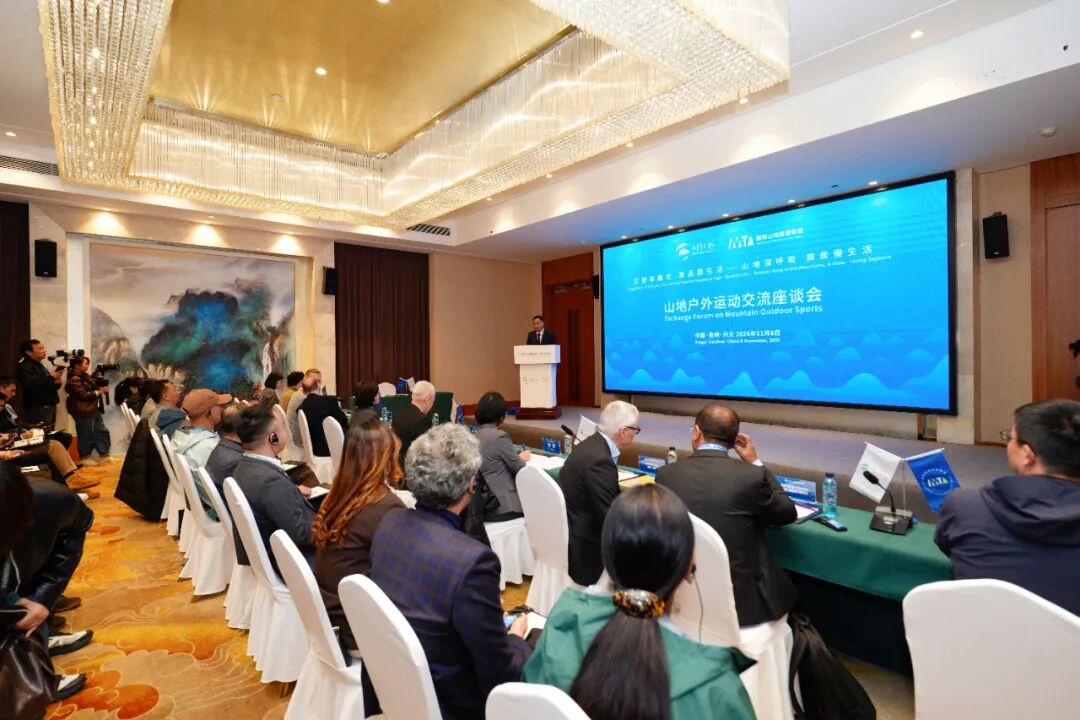
Event scene
Building Consensus: Jointly Advancing Mountain Outdoor Development
“Mountains are the natural stage for human outdoor sports. Mountain outdoor sports have become an important trend in global leisure consumption—not only a lifestyle for the public to get close to nature and strengthen their bodies, but also an important vehicle for promoting green transformation in mountain regions and facilitating international cultural exchange.” Liu Zhaohui, Vice Chairman of the International Mountain Tourism Alliance (IMTA), stated in his address that he looked forward to guests speaking freely and exchanging ideas, building industry consensus, empowering Guizhou’s mountain industry innovation practices with an international perspective, transforming exchange consensus into momentum for pragmatic cooperation, and jointly promoting the high-quality development of mountain outdoor sports.
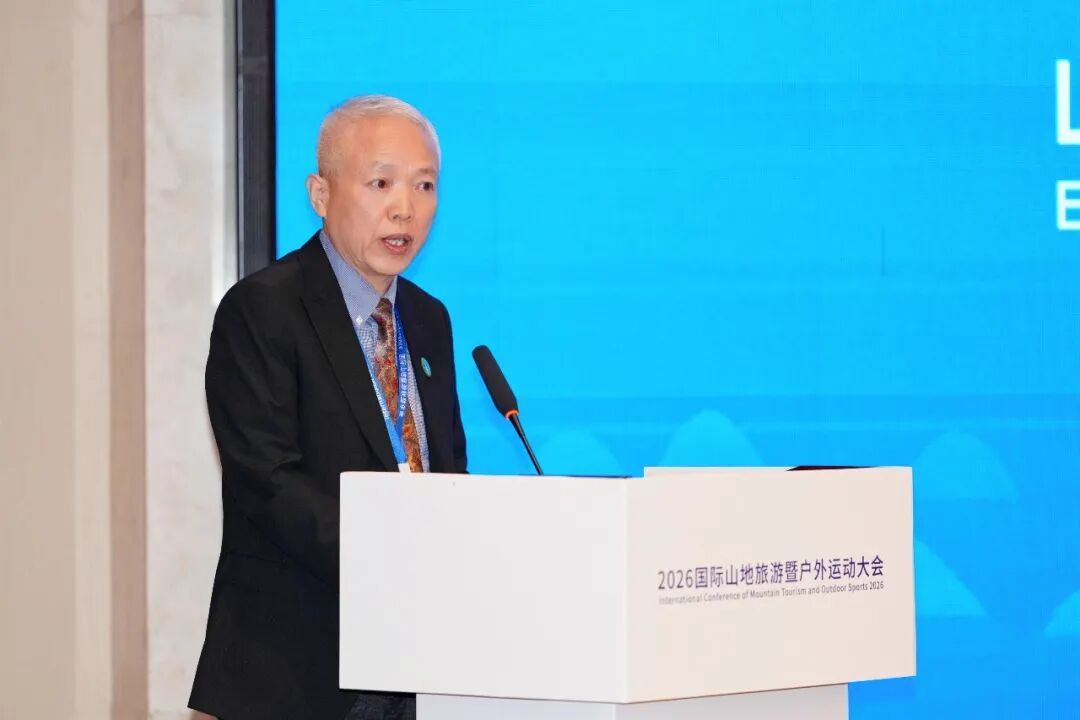
Liu Zhaohui, Vice Chairman of the IMTA
Liu Jie, Deputy Governor of the People’s Government of Qianxinan Bouyei and Miao Autonomous Prefecture, introduced in her address that Qianxinan Prefecture possesses conical karst landforms, with abundant outdoor scenarios such as peak forests, canyons, rivers and lakes, and high bridges, making it a core carrying area for mountain outdoor sports in Guizhou Province. The locality builds its brand through events, cultivating local premium events such as the Wanfenglin Marathon and introducing high-level events such as the High Bridge Skydiving International Invitational Competition. It improves supporting facilities such as emergency rescue and safety management, and promotes the extension of mountain outdoor sports toward the full chain of event operations, study tour experiences, and sojourn wellness. She expressed the hope that this opportunity would allow experts to diagnose and advise on Qianxinan’s development, and welcomed industry associations and leading enterprises to settle and deepen their work, jointly strengthening the distinctive IP of karst mountain outdoor sports.
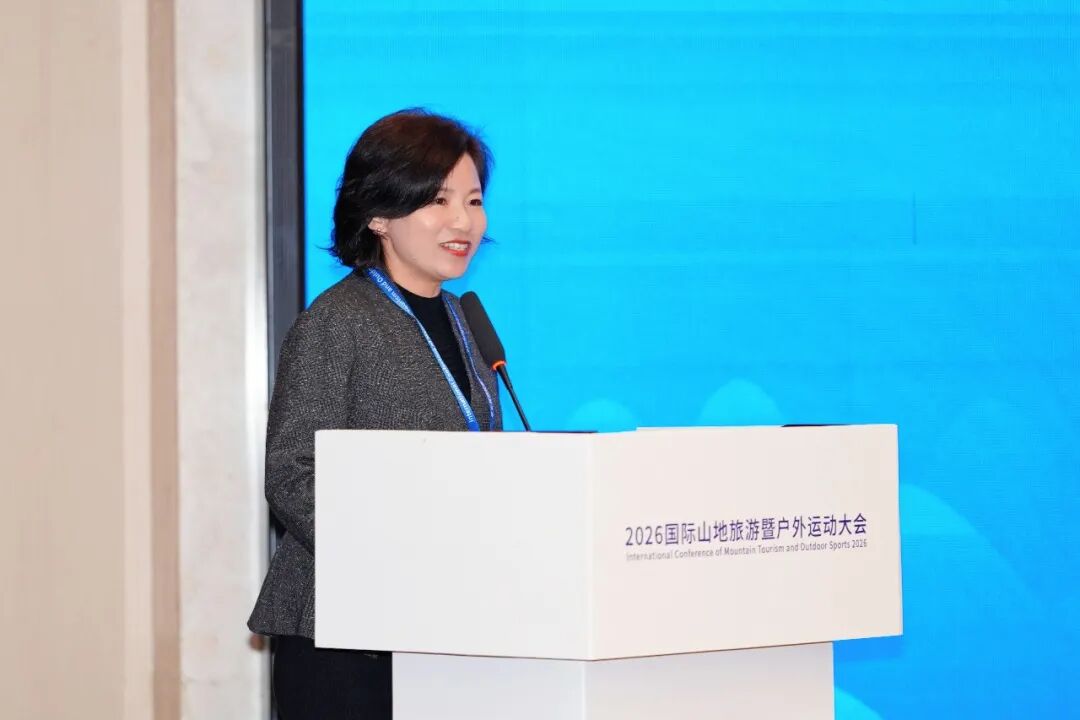
Liu Jie, Deputy Governor of the People’s Government of Qianxinan Prefecture
Li Fang, Deputy Director of the Sport Administration of Guizhou Province, introduced in a special promotion that the continuous mountains have become Guizhou’s unique and irreplicable outdoor sports foundation—a natural mountain sports laboratory gifted by nature to Guizhou and the world. Based on this unique endowment, Guizhou anchors its main strategy of “building a mountain outdoor sports destination with global influence,” promoting a profound transformation of sports from a public undertaking to an industry and from internal circulation to dual circulation. It revitalizes three types of resources—mountain outdoor resources, venue facilities, and event activities—and promotes the implementation of “Guizhou Sports in Five Colors,” forging a path of mountain outdoor development that combines professional competition with mass participation and deeply integrates sports with culture and tourism.
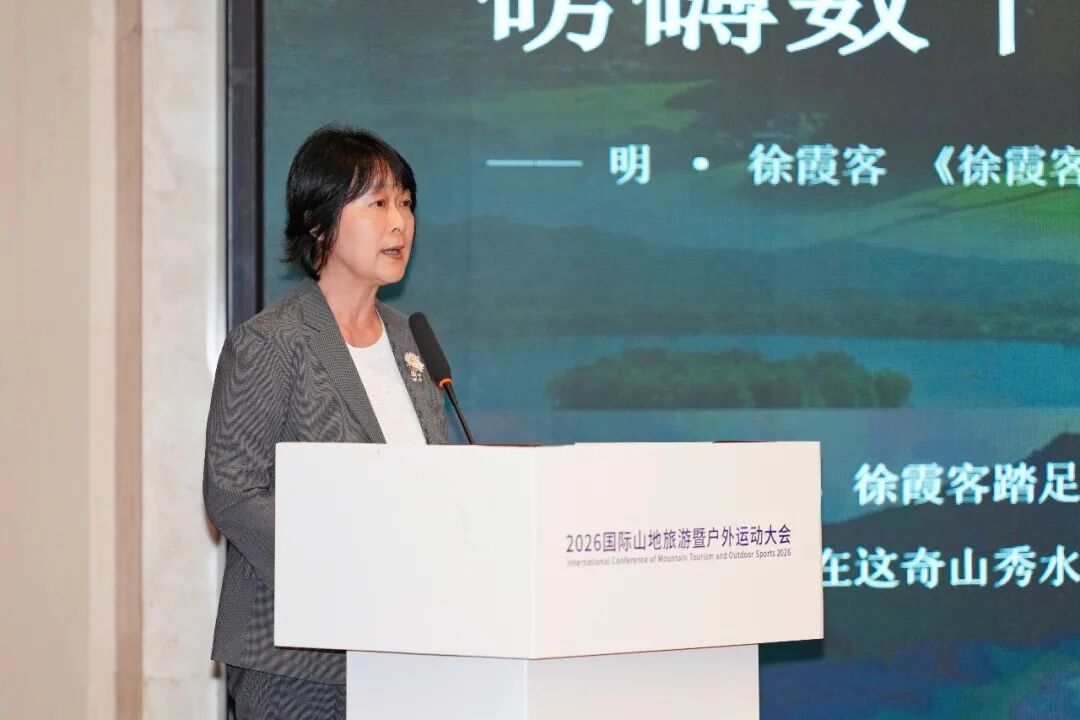
Li Fang, Deputy Director of the Sport Administration of Guizhou Province
The Forum was moderated by Zhang Haifeng, Founder and CEO of Huway.com. Focusing on the construction of high-quality mountain outdoor sports destinations, he engaged in dialogue with guests on topics such as safety management, talent cultivation, and the opening of mountain resources. He proposed that the responsibility boundaries of all parties should be clarified, and the opening and sharing of mountain resources should be steadily advanced, so that mountain outdoor sports can better serve the integrated development of sports and tourism.
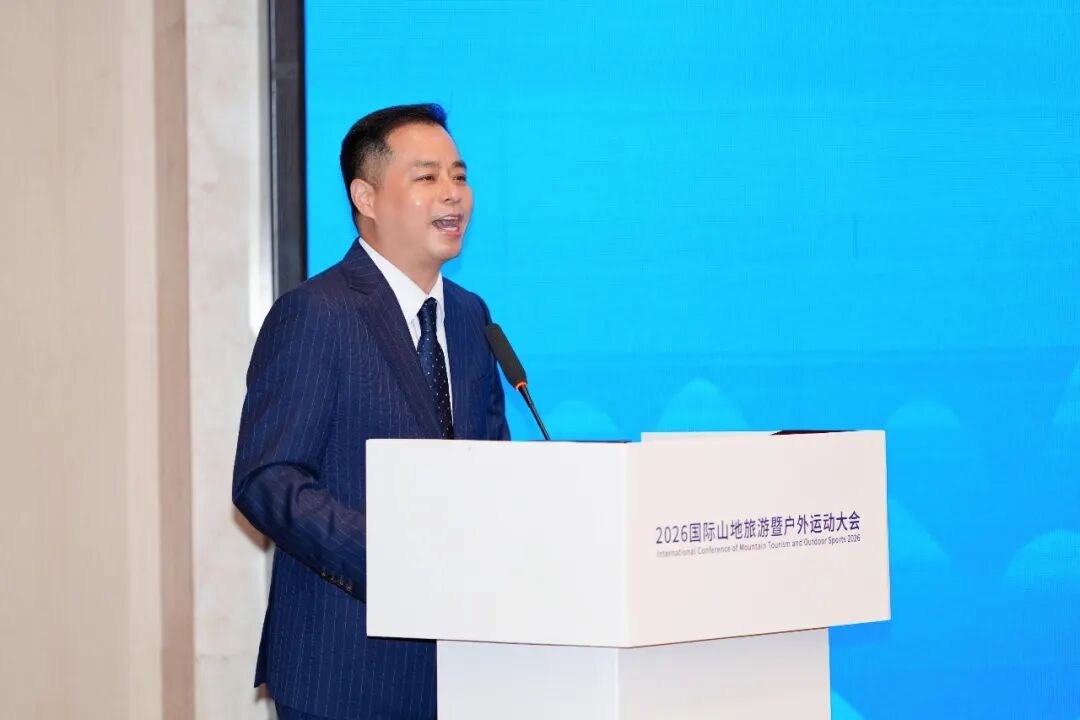
Zhang Haifeng, Founder and CEO of Huway.com
Pooling Wisdom and Empowerment: Exploring Pathways for Industrial Upgrading
Around the common proposition of the quality upgrade of the mountain outdoor industry, multiple international industry experts and enterprise representatives delivered keynote sharing based on research findings and frontline practical experience.
“Outdoor sports are transforming from a niche activity into a global mainstream lifestyle.” Serge Koenig, member of the IMTA Expert Committee, pointed out that sports-tourism integration carries multiple values including stimulating consumption, creating four-season formats, and supporting rural revitalization, while also facing common challenges such as safety management, ecological protection, and climate warming. He revealed that the IMTA is preparing to establish an Outdoor Sports Professional Committee, gathering domestic and international industry resources, with the core principles of attracting tourists, retaining tourists, building loyalty, and protecting nature and culture, to promote the transformation of mountain tourism from sightseeing to experiential, and to draw on Alpine region experience to explore sustainable development pathways suited to local conditions.
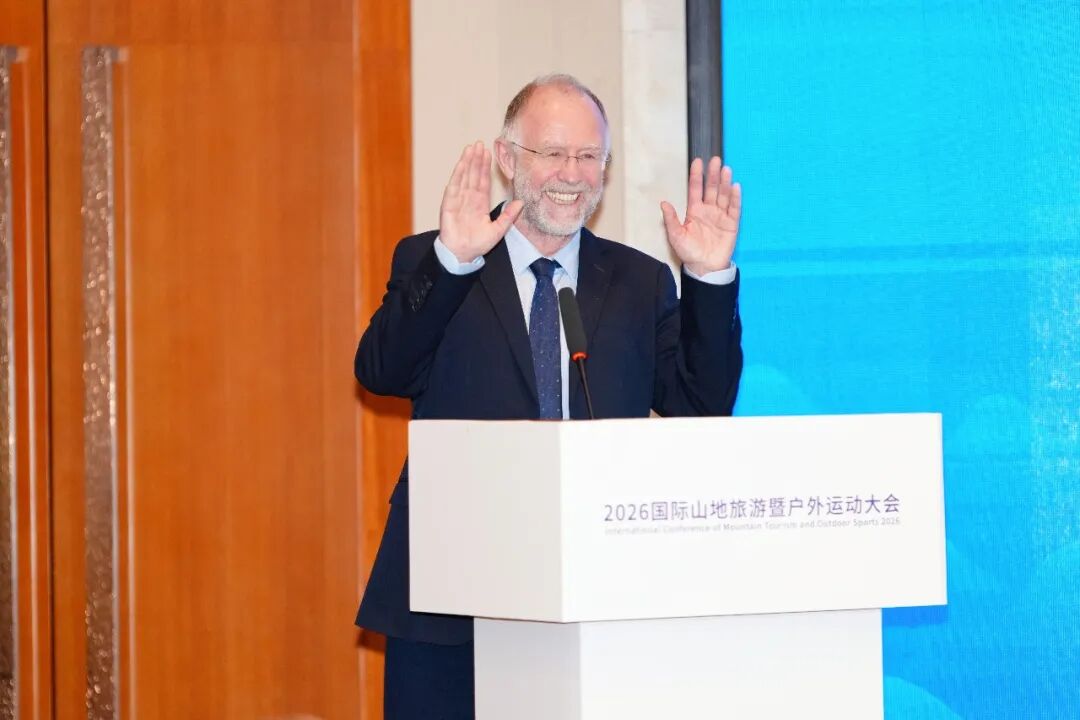
Serge Koenig, member of the IMTA Expert Committee
Benjamin Billet, Chairman of the European Network of Outdoor Sports (ENOS), emphasized that for outdoor tourism to achieve a true quality upgrade, it cannot single-mindedly pursue visitor volume and revenue growth, but must pay more attention to how the foundations supporting the experience—trails, habitats, local knowledge, and access rights—are maintained. He proposed that the industry generally suffers from a mismatch between promotion and stewardship responsibilities: the institutions responsible for promotion may not bear stewardship responsibility, while those bearing stewardship often share only a smaller portion of the benefits, disconnecting development gains from maintenance responsibilities. The key to quality upgrading lies in reconnecting the two.
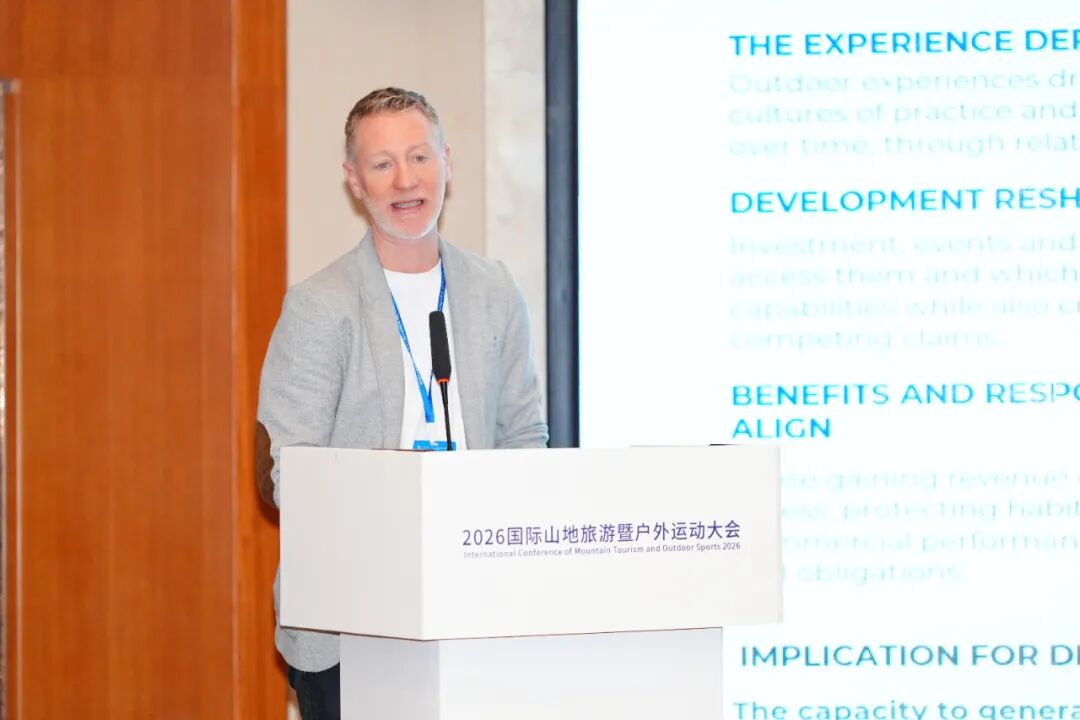
Benjamin Billet, Chairman of ENOS
“The quality upgrade of mountain outdoor sports is far more than expanding the scale of tourism infrastructure. The real challenge lies in creating destinations that enable recreational leisure, economic development, biodiversity conservation, and landscape quality to mutually reinforce one another.” Peter Marty, Senior Scientist at the Zurich University of Applied Sciences (ZHAW), shared four insights based on Swiss practical experience: mountain sports should be developed into a four-season economic activity rather than relying on only one tourism season; sports, tourism, and sustainable transport should be planned as an organic whole; visitor management and biodiversity conservation must be incorporated into the overall plan from the outset rather than added as remedial measures afterward; and natural landscapes and biodiversity should be treated as strategic assets, because they are the foundation supporting the long-term competitiveness of mountain tourism destinations.
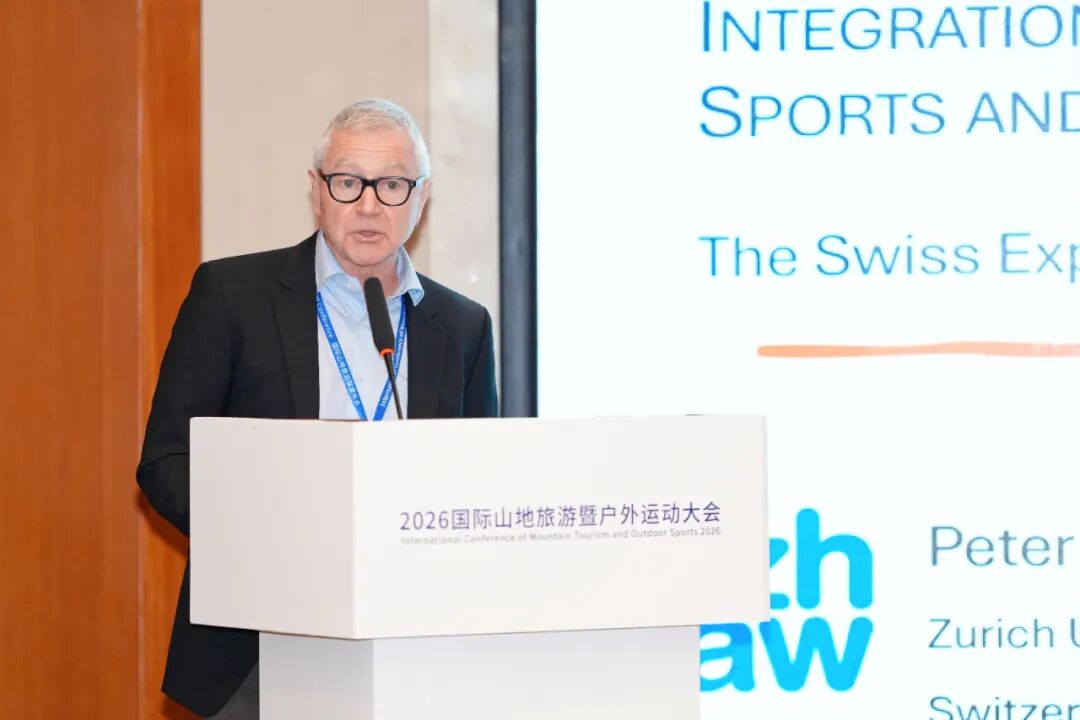
Peter Marty, Senior Scientist at the ZHAW
Mutual Learning Through Practice: Stimulating the Vitality of Sports-Tourism Integration
In the practice sharing session, participating guests combined regional exploration, brand operations, and international destination experience to exchange views on mountain sports product development, event cultivation, and international exchange and cooperation, providing referable samples for the implementation of sports-tourism integration.
Nepal possesses 8 of the world’s 14 peaks above 8,000 meters, including Mount Everest, and is rich in mountain landscapes and mountain cultural resources. “The development opportunities contained in mountain resources extend far beyond traditional trekking and mountaineering. Under the premise of ensuring safety and aligning with environmental carrying capacity, diverse mountain outdoor formats can be expanded.” Fur Gelje Sherpa, President of the Nepal Mountaineering Association (NMA), proposed improving professional training and qualification certification, perfecting facilities and rescue systems, deepening sports-tourism integration, and creating all-season tourism experiences. He also suggested that China and Nepal conduct exchanges of mountain guides and coaches, joint rescue and safety training, cooperation on climbing techniques and route assessment, and joint promotion of mountain tourism destinations, adhering to ecological priority and safety first to empower local community development.
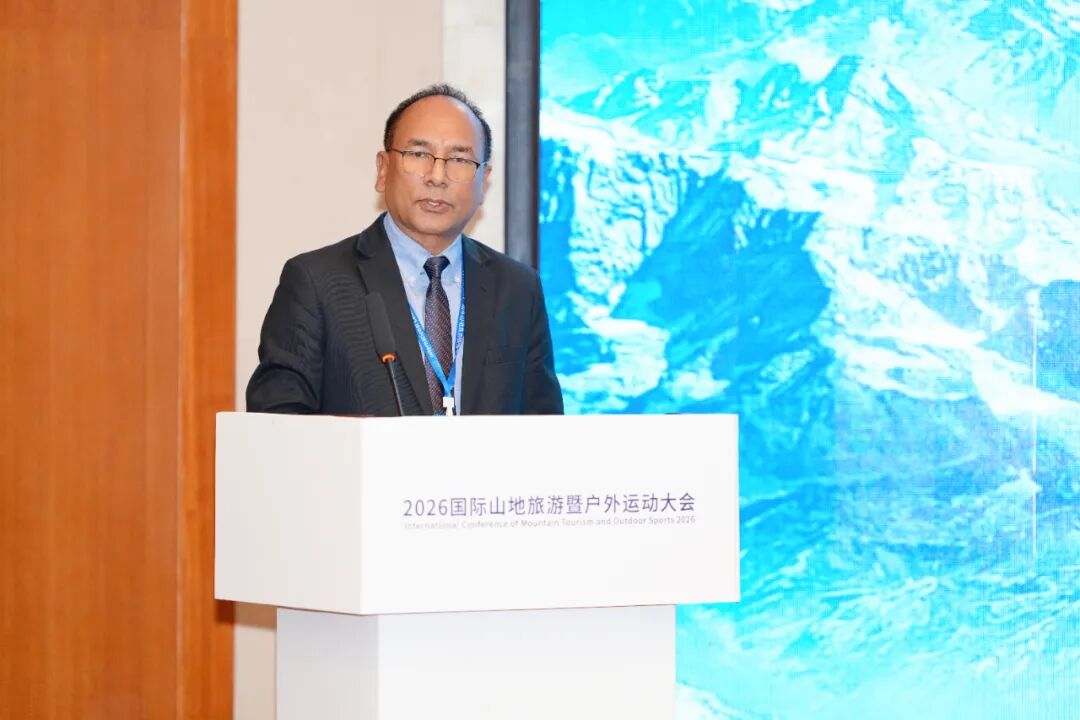
Fur Gelje Sherpa, President of the NMA
Zhong Fei, Vice President of the China Chamber of Tourism and Chairman of Hunan Huaxia Investment Group, shared practical experience in implementing sports-tourism integration based on Xiangxi (it means the Western Hunan Province) practices. Xiangxi and Guizhou are both located in the Wuling Mountains, sharing the same mountain range and water sources, with contiguous karst landforms and forest coverage exceeding 70%, making it a natural venue for mountain outdoor sports. The group has been deeply engaged in Xiangxi cultural tourism for over a decade, operating scenic areas such as Xiaoxi Scenic Area, Furong Town, and Hongshilin Forest, creating sports scenarios such as stream trekking and waterfall rappelling, water flyboarding, and sinkhole exploration, while adhering to the three bottom lines of safety first, ecology as the foundation, and culture as the soul. On September 30 this year, under the promotion of the Hunan Provincial Department of Culture and Tourism, the group led the launch of the Greater Zhangjiajie International Tourism Area Industry Development Alliance, promoting the linking of cultural tourism resources in greater Xiangxi Area. She proposed breaking down provincial boundaries and using mountains as a medium to deepen cross-regional collaboration between Hunan and Guizhou two provinces, promoting the deep integration of mountain tourism and outdoor sports.
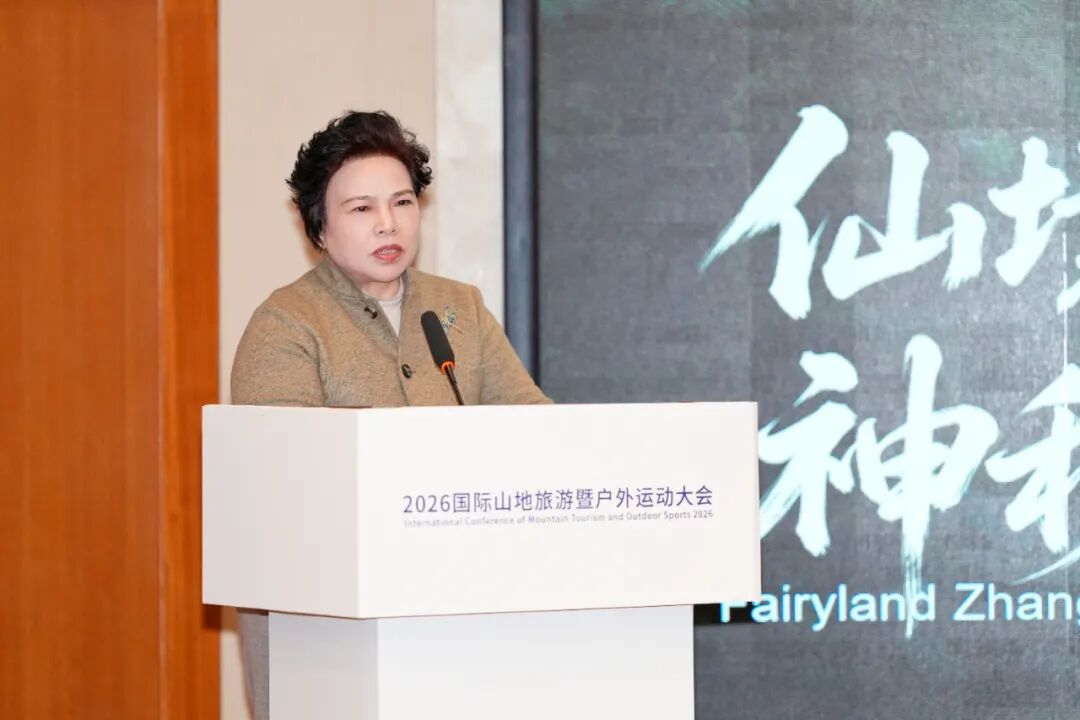
Zhong Fei, Vice President of the China Chamber of Tourism and Chairman of Hunan Huaxia Investment Group
Yang Long, Vice President of Industrial Development at Guangzhou KAILAS Group and General Manager of Guangzhou Letour Sports, introduced the brand’s full industry chain layout. KAILAS was founded in 2003 and focuses on the research and development of outdoor equipment for mountaineering and rock climbing, holding a high market share in the high-altitude equipment sector and regarded by the industry as a leading global high-altitude mountaineering brand. Since launching the KAILAS Mountain Adventure Project in 2004 and KAILAS Search Rock China in 2018, the brand has participated in outdoor coach training through outdoor centers. Its subsidiary Letour Sports holds over 1,400 events annually, creating benchmark event IPs such as the KAILAS Mogan Mountain Running Race and KAILAS FUGA Guangzhou 100 Mountain Running Race, empowering industrial development with professional strength and practicing the philosophy of “Let the World See China’s Mountains.”
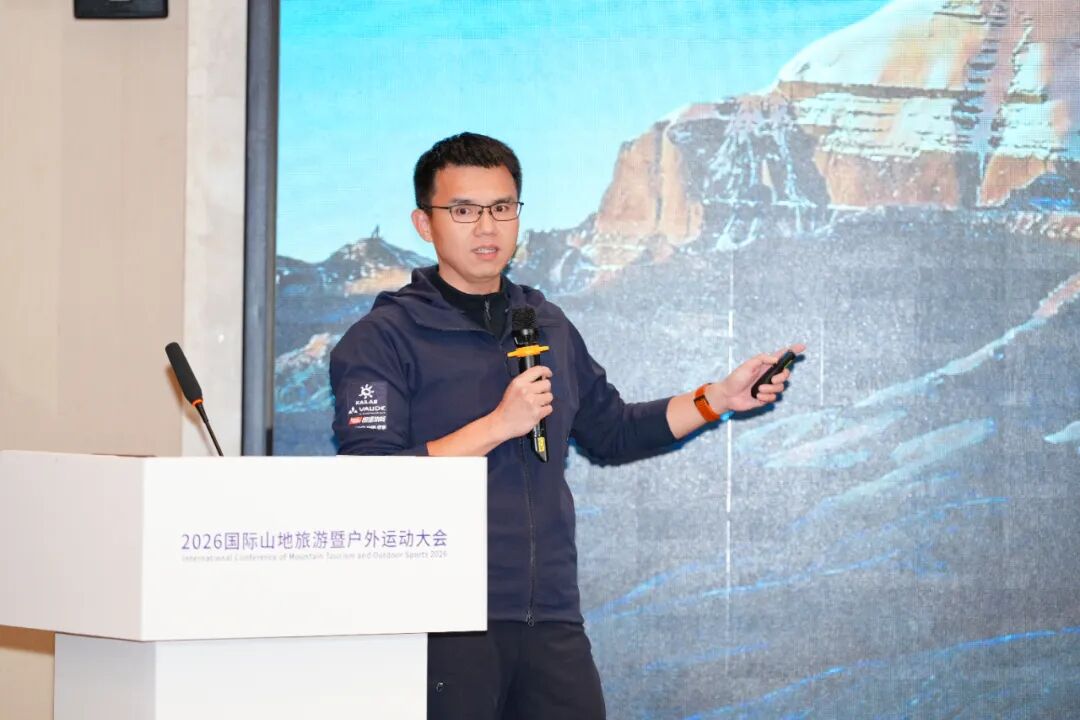
Yang Long, Vice President of Industrial Development at Guangzhou Kailas Group and General Manager of Guangzhou Letour Sports
Chana, Industry Relations Manager at the Utah Office of Tourism, shared the development experience of mature international mountain destinations. She introduced that Utah has diverse landform types, home to five national parks—Zion, Bryce Canyon, Arches, Canyonlands, and Capitol Reef—and 46 state parks. The Rocky Mountains in the north and the red rock plateau in the south are interwoven, allowing snow mountains, forests, and desert landscapes to be viewed within a single day; the state has 15 ski resorts, 10 of which are within a one-hour drive of Salt Lake City International Airport. The locality has built a four-season product system, covering tourists of different levels with professional services such as guides, coaches, and equipment rental. National park ticket revenue is mainly used for facility maintenance and staff training, promoting the return of tourism revenue to local communities and exploring a sustainable development path of symbiosis among resources, tourists, and communities. She looked forward to deepening exchanges and cooperation with all parties.
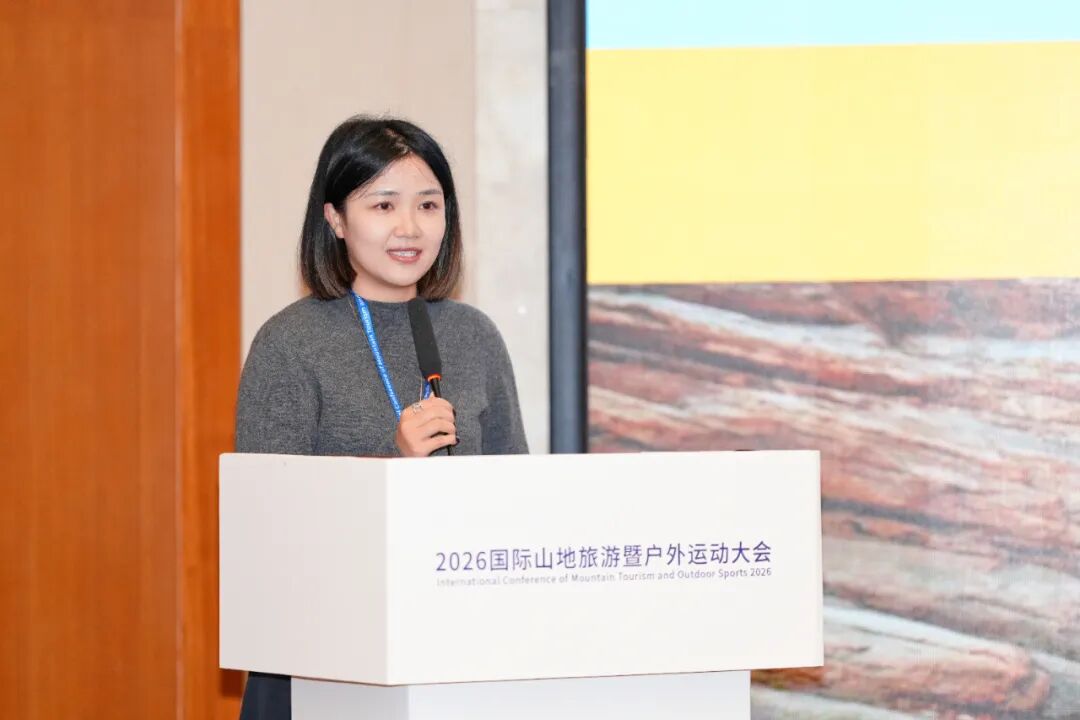
Zhana, Industry Relations Manager at the Utah Office of Tourism
At the meeting, participating guests also conducted a roundtable exchange on the construction of high-quality mountain outdoor sports destinations, exchanging views on topics such as the division of outdoor safety responsibilities, professional talent cultivation, orderly opening of natural resources, and event IP cultivation. This symposium established an international platform for mountain outdoor industry exchange, gathering both global cutting-edge concepts and frontline practical experience, and building industry consensus to promote industrial quality upgrading and deepen sports-tourism integration. In the next step, all parties will take this conference as an opportunity to continuously deepen collaboration, expand cooperation space, continuously enrich mountain outdoor formats, share sustainable development achievements, and inject lasting momentum into the high-quality development of global mountain tourism.
Editor Ⅰ: Zhang Congxiao
Editor Ⅱ: Zhang Wenwen
Editor Ⅲ: Liu Guosong