


Nestled at 28°N latitude, the volcanic island of Gran Canaria has cultivated a vibrant tapestry of local traditions through its unique geography and natural environment. As the most populous island in the Canary archipelago, Gran Canaria captivates the world not only with its dramatic landscapes but also with its distinct cultural heritage. From culinary delights to artisanal crafts, agricultural treasures to folk traditions, every corner of this island breathes authenticity. These local treasures serve as both carriers of island culture and testaments to the ingenuity of its people, embodying Gran Canaria’s unique aesthetic of life.
Flavors of the Island: A Gastronomic Journey
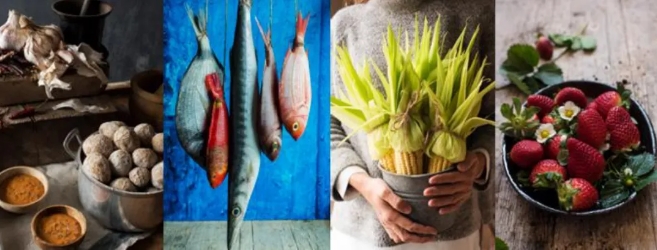
Gran Canaria’s culinary identity is deeply rooted in its environment and history. The iconic "Papas arrugadas" (wrinkled potatoes) exemplify this connection. Boiled in seawater until their skins crystallize with salt, these small potatoes are served with homemade mojo sauces, creating a dish that is both humble and profound. This simple recipe reflects the islanders’ survival wisdom—using seawater conserved freshwater while infusing the dish with distinctive flavor.
The island’s fishing traditions have spawned a rich seafood culture. Freshly caught parrotfish, grouper, and octopus are transformed into mouthwatering dishes through local cooking methods. Sancocho canario (Canarian fish stew), made with salted fish, potatoes, and sweet potatoes, showcases the rustic yet exquisite essence of island cuisine.
In beverages, Gran Canaria offers unique traditions. Ronmiel (honey rum)—a harmonious blend of rum and honey—delights visitors with its sweet, mellow taste. The island’s volcanic soil and climate also yield distinctive coffee beans, prized for their complex flavor profiles.
Craftsmanship: Decoding Cultural Heritage
Pottery-making stands as one of Gran Canaria’s most emblematic crafts. In towns like Telde and Santa María de Guía, ancient techniques survive, producing pottery adorned with red and black motifs inspired by Guanche rock art. These pieces are not merely utilitarian but cultural artifacts bridging past and present.
Palm weaving is another cherished tradition. Artisans transform abundant palm fronds into exquisite baskets, hats, and decor. Villages like Artenara keep this craft alive, where visitors can witness weavers ply their trade.
Canarian embroidery, renowned for intricate patterns and vivid hues, adorns tablecloths, bed linen, and more. Passed down through generations, this art balances tradition with innovation, ensuring its timeless relevance.

Bounty of the Earth: Nature’s Gifts
Banana cultivation shapes Gran Canaria’s agricultural landscape. The island’s climate yields sweet, high-quality fruit, with plantations like those in Agaete blending with volcanic terrain to create picturesque vistas.
Tomato farming thrives in southern greenhouses, leveraging sunlight for optimal yield and quality. These tomatoes are sold fresh and processed into exports, underscoring the island’s agricultural prowess.
Winemaking emerges as a rising star. Volcanic soil and microclimates produce distinctive wines in regions like San Bartolomé and Santa María de Guía. Award-winning vineyards are redefining Gran Canaria’s global image.
Gran Canaria’s cultural treasures embody the synergy of nature and humanity, tradition and modernity. These elements enrich the island’s identity while fueling its economy. In an era of globalization, safeguarding this heritage is vital—not just as a local asset, but as a vital thread in humanity’s cultural fabric. As Gran Canaria continues to enchant the world with its authenticity, it writes new chapters in the Atlantic’s timeless narrative.
This article is compiled by the IMTA from content curated across its official WeChat, Weibo, and website platforms.
Note: Some images are sourced from the internet for non-commercial sharing purposes. If any infringement is identified, please contact us for immediate removal.
Editor Ⅰ: Zhang Wenwen
Editor Ⅱ: Bao Gang
Editor Ⅲ: Liu Guosong