


On May 29, the"International Mountain Tourism Day 2025" Theme Events kicked off on Gran Canaria, Spain. With the theme "Embracing Mountains and Seas, Coexisting with Cultures — Mountain Tourism and Cultural Inclusiveness for the Future," the event brought together representatives from international organizations, government officials, industry leaders, experts, scholars, and media worldwide to explore inclusive collaboration and shared development in global mountain tourism. The program included an opening ceremony, thematic forums, mountain cultural exchange sessions, a China-Spain cultural tourism exhibition, and the "Gran Canaria Night" welcome dinner. Participants engaged in diverse formats to share advanced concepts, discuss cutting-edge issues, and deepen practical cooperation. Mr. Charles Davidson, Vice-President of the World Federation of Hydrotherapy and Climatotherapy (FEMTEC), Chair of Hot Springs Initiative of Global Wellness Institute (GWI), delivered a speech at the"Innovation in Mountain Tourism & Local Community Participation" Theme Forum.
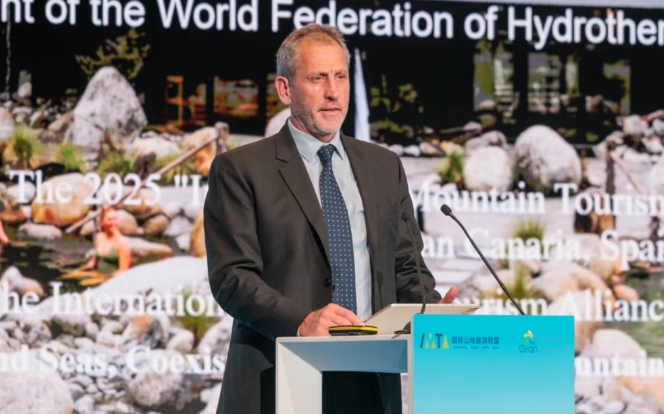
The full text of the speech is as follows:
This presentation aims to explore the concept that the wellness and leisure lifestyle is leading a new trend in mountain living. I believe wellness is a state of overall well-being, where tourists can fully enhance their physical and mental happiness in the process of perceiving themselves, connecting with others, and getting close to nature.
Modern mountain lifestyle is no longer an arduous battle for survival or extreme sports, but a lifestyle that integrates health, leisure, and nature.
This presentation focuses on the field of natural hot springs I am engaged in, especially global mountain natural hot springs, and how natural hot springs help people relax physically and mentally, maintain health, and improve the quality of life.
I interviewed members of the Hot Spring Professional Committee of the Global Wellness Institute to learn about their countries' current mountain wellness practice cases, and I will share these research results in the following presentation.
Cases around the world show that there is a natural and inherent connection between hot springs, mountains, and health. The organic combination of the three is not only an ancient health-preserving method but also the focus of modern wellness tourism. Looking around the world, it is easy to understand why people are pursuing a nature-based wellness lifestyle.
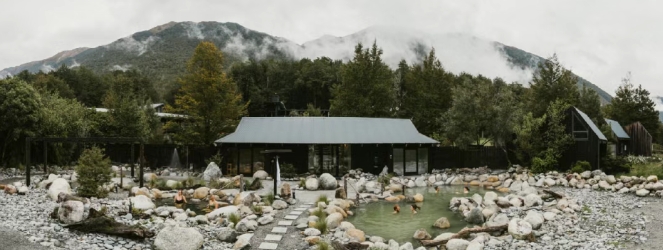
First, I will show the global mountain hot springs I have recorded during my travels over the past 33 years. These images were shared at the 2021 International Mountain Tourism Conference. Through these images, we can see that there is an inherent and natural connection between natural hot springs, mountains, and health worldwide.
The hot springs in the Shangri-La area of China are located in the mountain range, where Jade Dragon Snow Mountain, with an altitude of 5,596 meters, stands. The Wanya岚 Hot Spring in China's Tibetan Autonomous Region, at an altitude of 4,380 meters, is the highest hot spring in the world.
Japan's Kusatsu Onsen town is situated in Kusatsu-Shirane Mountain, a huge volcano with multiple peaks, the highest of which reaches 2,165 meters above sea level.
Hiking to Tatopani, a hot spring town in Poon Hill, Nepal, allows one to relax in the town. Tatopani is located along the Annapurna Mountain range, whose main peak, Annapurna, stands at 8,091 meters, ranking as the 10th highest peak in the world. Other photos of Nepal were taken during the 2012 Everest Base Camp trekking trip.
In Himachal Pradesh, India, starting from Manikaran and hiking along the Parvati Valley for half a day, one can reach Kheerganga, a remote hot spring town in the Himalayas at an altitude of 2,960 meters.
Yemen, one of the poorest countries in the world, boasts one of the oldest living cultures, namely the hot spring therapy in Dhamar town. Dhamar is located in the Dhamar Mountains in the central highlands of Yemen, where most areas exceed 2,500 meters in altitude.
In March 2014, we visited the Shalbul Hot Spring in the Zagros Mountains of Iran. The highest point in this area is Mount Dena, with an altitude of 4,459 meters.
In Israel, the Eilat Mountains surrounding the Dead Sea are majestic, and here lies Ein Gedi Natural Hot Spring, a leisure resort where one can experience Dead Sea bathing. The highest peak in this area, Mount Neshef, stands at 899 meters.
Turkey's Pamukkale Hot Springs feature magnificent cloud-white terraces 160 meters high and 600 meters wide. Situated on top of a limestone mountain, it is part of Pamukkale Natural Park, a UNESCO World Heritage site, and one of Turkey's most popular tourist attractions. The mountains surrounding Pamukkale Hot Springs reach an altitude of 1,840 meters, and the beautiful mountain scenery can be enjoyed from the hot springs.
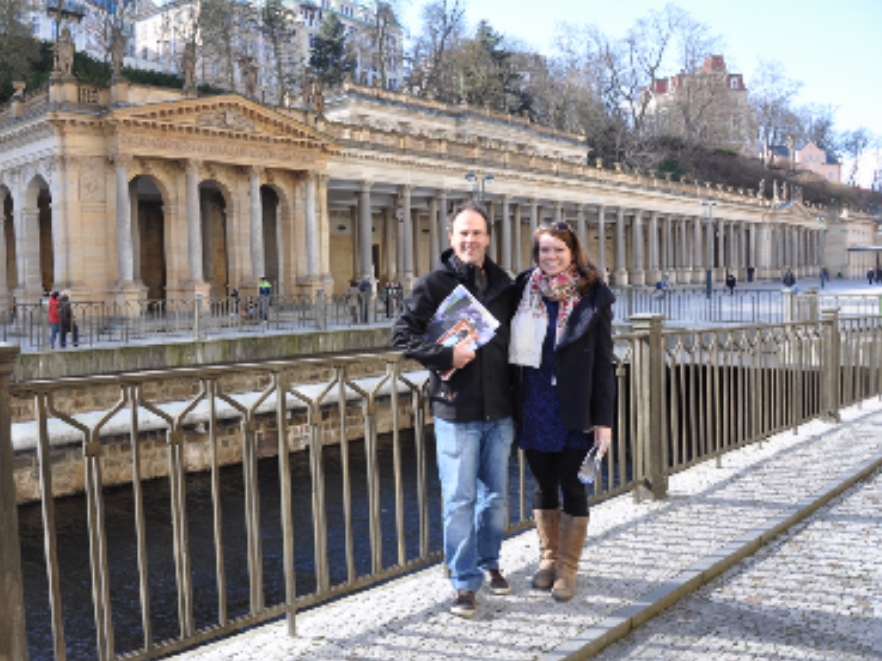
The famous Czech hot spring town of Karlovy Vary is surrounded by several mountains, among which the Ore Mountains, with an altitude of 1,244 meters, are particularly prominent. Aqua Dome in Längenfeld, Austria, is located in the Ötztal Alps, which has many peaks exceeding 3,000 meters. Harrison Hot Springs in British Columbia, Canada, is situated on the Harrison Mountain range, with Mount Harrison as the highest peak at 3,354 meters.
In Peru, the hot springs in Aguas Calientes, adjacent to Machu Picchu, are located in the Andes at an altitude of 2,040 meters. Peru's Colca Lodge & Hot Springs is nestled in the Colca Valley. Here, one can see the Andean condor, the largest flying bird in the world. The Colca Canyon is part of the Andes, and the highest point in this area is Ampato Peak, at 6,288 meters.
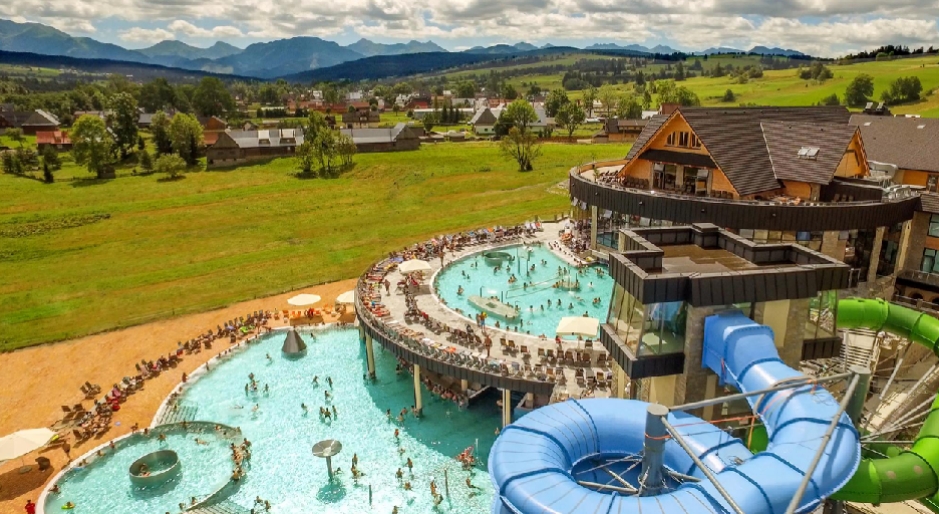
In Poland, hot spring resorts offer forest bathing experiences, herbal workshops, seasonal health festivals, and hiking wellness trips to meet the health needs of people of different ages. The design of new wellness resorts aims to take on multiple functions of health and leisure, serving not only tourists but also local residents, especially in the post-pandemic era, to take responsibility for improving everyone's physical and mental health. Currently, the integration of digital health technology, sustainable energy systems, preventive health services with natural hot springs is attracting increasing attention. Winter is the golden season for physical fitness through alpine sports. After skiing or snowboarding, tourists usually relax in Poland's mountain natural hot springs, where the snow-covered scenery is picturesque. Soaking in hot springs after skiing not only promotes muscle relaxation and improves blood circulation but also makes mountain health-preserving programs a popular lifestyle experience in winter.
Maruia Hot Springs is hidden in the Lewis Pass on New Zealand's South Island. Now, high-speed satellite internet services are affordable, so staff and tourists can enjoy internet and phone services without leaving here. The permanent staff at Maruia Hot Springs hope to stay connected with the outside world, and the introduction of satellite internet has improved their work experience. Due to the improved communication conditions, mountain life has become an enjoyment, and employees are more willing to work longer hours. James White, General Manager of Maruia Hot Springs, believes that technological progress has promoted the development of mountain tourism and improved the quality of mountain life. The following short video shows some of the wellness services provided by Maruia Hot Springs.
Xishan Hot Spring Resort is located in Guian Village, Fuzhou City, surrounded by the lush Tangling Mountains, with numerous peaks reaching an altitude of 919 meters. The mountains are covered with pine and bamboo, presenting a sea of green. While enjoying natural hot springs, one can also enjoy special wellness services, such as Zen tea warm bath, which integrates the healing power of tea's Zen meaning while enjoying various minerals and thermal healing in the hot springs, allowing people to relax and rejuvenate; singing bowl meditation is also a special wellness experience. In the beautiful garden, enjoy a cup of tea blended with local herbs, stretch the body and mind with the ethereal bowl sounds. In this process, one can not only relax but also reach a harmonious resonance with the local environment.
Kusatsu Onsen is recognized as one of Japan's three famous hot springs, located in the mountains at an altitude of about 1,200 meters. It has long been famous for its outstanding health-preserving effects. According to local legend, it "can cure all ailments except lovesickness". The hot spring path leads directly to the town. Strolling along it, surrounded by lush forests, tourists can't help but step into the town to explore the various surprises hidden in the mountains and waters. In recent years, relying on local natural hot spring resources, Kusatsu Onsen has successfully developed health-preserving tourism projects. Kappo Hotel is also a successful example, cleverly combining hot springs with longevity and healthy diet to create a new wellness vacation model. The hotel offers fasting health programs, yoga courses, and spa care services, attracting many tourists eager to improve their health in a quiet environment. In the future, Kusatsu Onsen plans to launch "digital detox" retreat programs, hot spring forest healing programs, and high-altitude wellness programs. These services help Kusatsu Onsen become a top health-preserving tourist destination, where tourists can not only experience the fun of traditional hot spring tourism but also enjoy more colorful services.
Japan's Hoshino Resorts recently launched a new brand "LUCY", focusing on the development of mountain tourist destinations. The first mountain tourist destination under the brand, "LUCY Oze-Hachimantai", is scheduled to open on September 1, 2025, at Oze-Hachimantai Pass in Gunma Prefecture, at an altitude of 1,598 meters. This tourism project is committed to allowing tourists to enjoy a highly comfortable accommodation environment while appreciating the unique charm of mountain landscapes. Hoshino Resorts is expanding its target group from experienced mountaineers to a wider range of customers eager to experience mountain tourism. At the same time, it plans to further develop mountain tourism resources across Japan, including the development of natural hot springs.
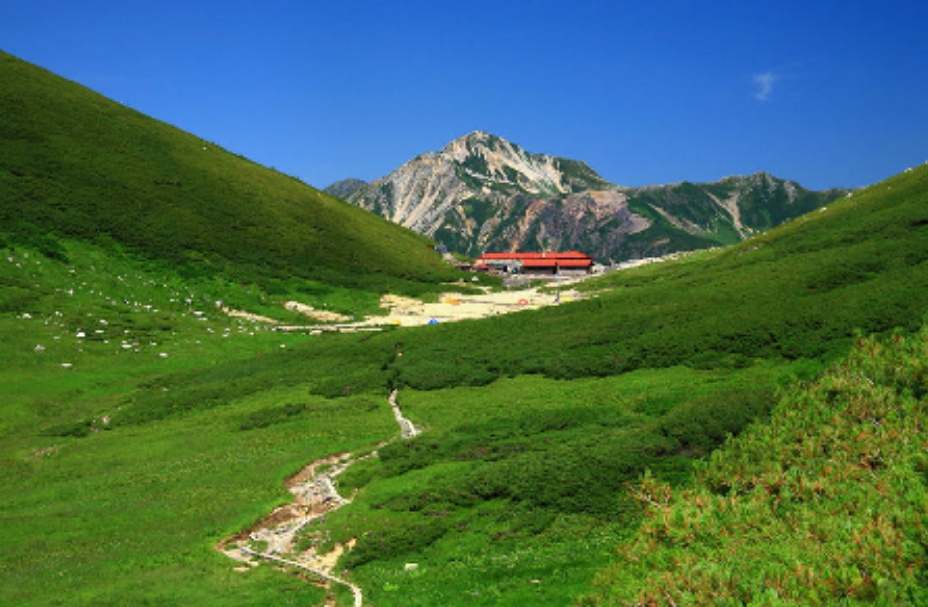
The Czech Republic's Mariánské Lázně is located in the Slavkovský les Nature Reserve at an altitude of 600 meters, surrounded by mountains, the highest of which is Lesní hora at 983 meters. In recent years, the town has continuously conducted air quality testing and recently won the "Climate Spa Town" certification. Ensana, the main local hot spring operator, has integrated climate spa into its projects and developed corresponding services.
In the Swiss Alps, local tourism projects integrating natural experiences and scientific verification are being promoted. From the perspective of hot spring facility planning, this means creating outdoor pools and spacious sauna facilities connected to the outdoor area. It also provides mountain and lake yoga, trail running, hiking, relaxation experiences in nature, as well as traditional cross-country skiing, snowshoeing, and skiing activities. To develop mountain natural hot springs into wellness resorts, it is necessary to integrate elements of sports, natural therapy, and healthy diet. In terms of healthy diet, it is also necessary to develop creative recipes based on local herbs and flowers, while ensuring that these creative meals can promote the development of local traditional ingredients such as milk, cheese, and meat products.
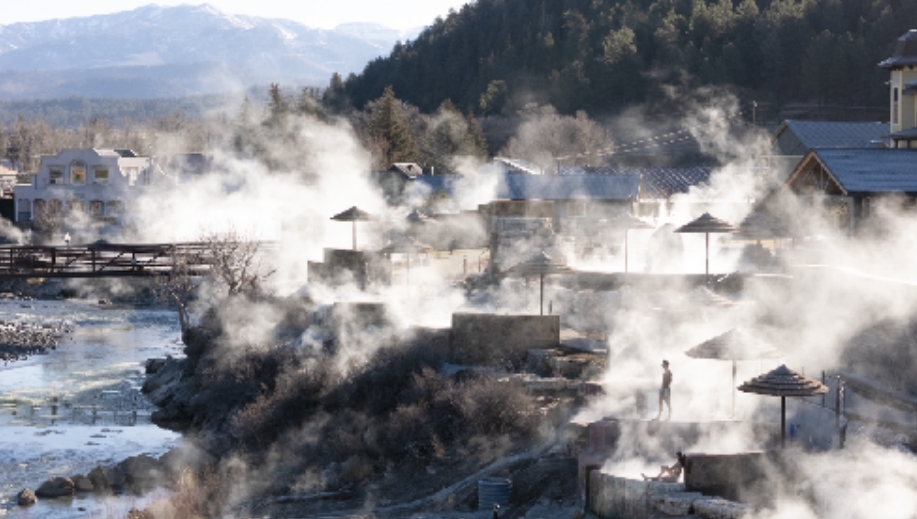
In the United States, Pagosa Springs is located in the San Juan Mountains in southwestern Colorado at an altitude of 2,172 meters. Pagosa Springs Hot Spring Resort has the deepest hot spring in the world, with a measured depth of 306 meters. The mountain wellness activities provided by the resort include: forest bathing, guided hiking, wetland hiking, forest yoga, cold river baths, riverbank mud therapy, and panoramic sauna baths with mountain views. Bookable activities here include fly fishing, hot air balloon rides, skiing, carriage tours, horseback riding, and guided hiking. Currently, the resort is expanding, with a considerable part of the development projects completed, and more projects still underway. After completion, the overall scale will more than double.
Sol y Agua Hot Springs is located in the Patagonia region of Chile, in the upper reaches where the Andes meet the ocean. It has the first fjord in Patagonia, and the source of the Puelo River is here. Sol y Agua Hot Springs is surrounded by many volcanoes, the nearest of which is Volcán Yates (Yates means "father") with an altitude of over 2,200 meters. Currently, Sol y Agua Hot Springs has 10 natural hot spring pools, is expanding 10 more, and is creating an exclusive wellness sanctuary that will offer 8 spa and wellness services. Samuel de Sol, founder of Sol y Agua Hot Springs and member of the Hot Spring Initiative, said: "We believe that physical and mental health is one of the core themes of life. For every tourist visiting the hot springs, we are committed to providing them with unforgettable experiences. We firmly believe that the clever integration of natural hot springs, original natural ecology, mountains, and volcanoes can burst out a unique and healing powerful force."
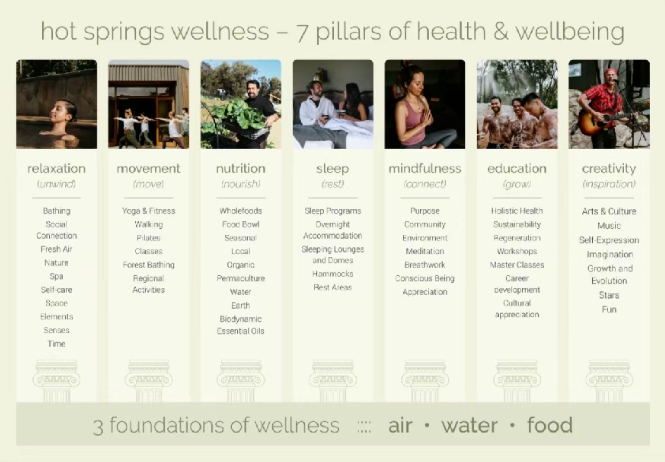
During the 33-year development of Peninsula Hot Springs, we have continuously promoted the in-depth integration and iteration of health concepts and service projects, and finally constructed a seven-pillar wellness framework. Through continuous improvement and optimization, we can better understand the relationship between relaxation, exercise, nutrition, sleep, mindfulness, education, creativity, and health, thereby providing systematic support for the development and implementation of overall services. Finally, I will play a short video of Peninsula Hot Springs, which shows how we integrate the seven-pillar wellness concept into the hot spring facilities to achieve comprehensive improvement of happiness. Achieving all-round happiness is the ideal picture we hope to achieve through a healthy lifestyle.
Arthur's Seat, 314 meters high, is located on the Mornington Peninsula, 75 minutes' drive from Melbourne, Australia. Its magnificent landscape not only forms the background of Peninsula Hot Springs but also allows tourists to enjoy the surrounding picturesque scenery.
Source: IMTA
Editor Ⅰ: Zhang Wenwen
Editor Ⅱ: Bao Gang
Editor Ⅲ: Liu Guosong